Economy
Next CPI Report Could Shift Rate Cut Expectations in 2026
The April 14 CPI release may determine whether rate cuts move forward — or get delayed again
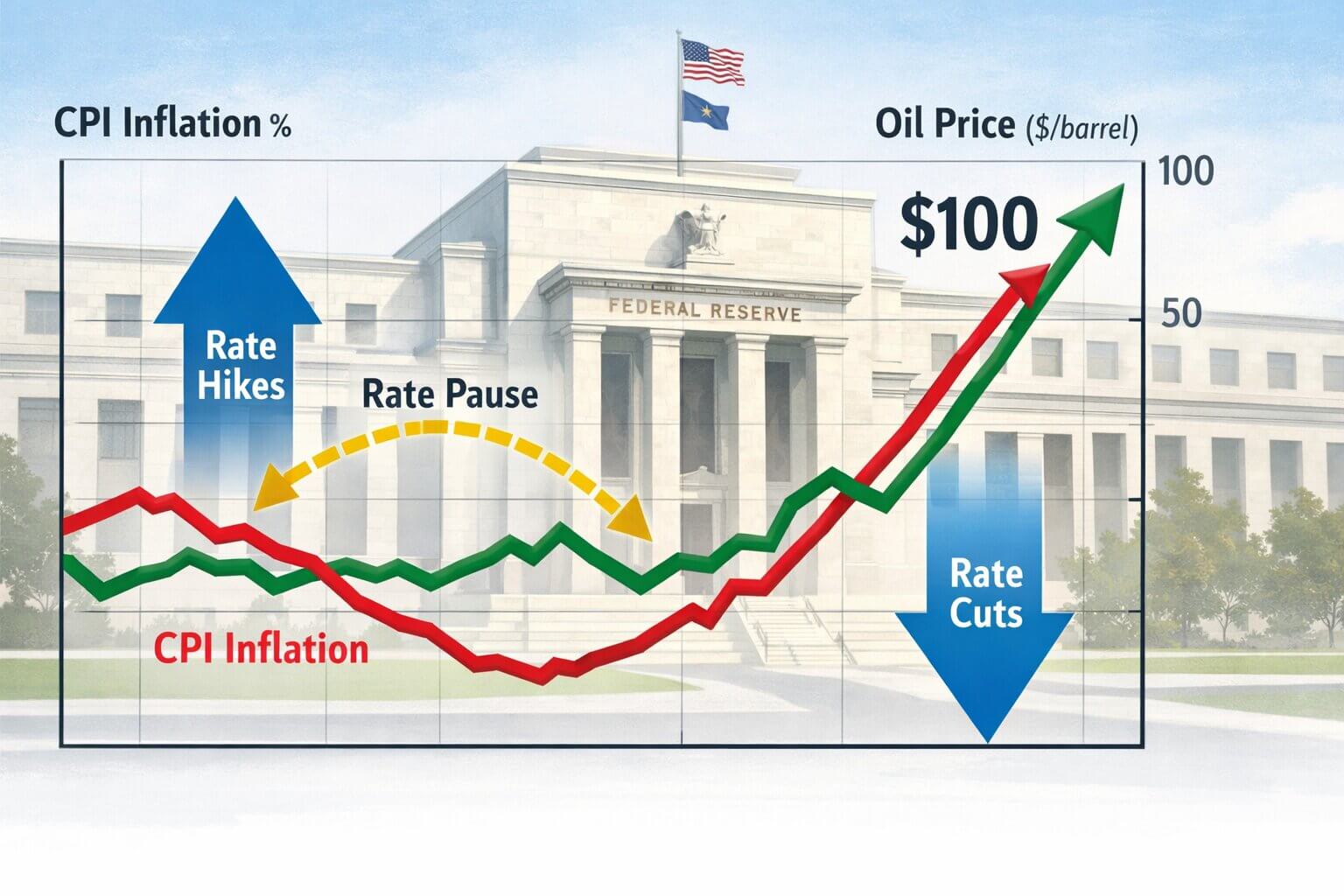
Markets are closely watching the next CPI report as inflation remains the key driver of interest rate expectations in 2026. Even a small change in price growth could quickly shift the timeline for Federal Reserve rate cuts.
The Consumer Price Index release scheduled for 04/14/2026 has quickly become one of the most consequential data points of the year. After oil prices surged above $100 per barrel in late February 2026 and cost pressures resurfaced, investors are no longer treating inflation data as routine. They are treating it as a potential turning point — one that could determine whether borrowing costs stay elevated far longer than expected.
The shift happened fast. And the stakes are suddenly higher.
---
A Rapid Shift From Rate Cuts to Caution
Just weeks ago, markets widely expected the Federal Reserve to begin easing policy in 2026. That outlook changed after policymakers held interest rates steady at 3.50%–3.75% during the 03/17/2026–03/18/2026 meeting while warning that inflation risks remain.
The message was clear: progress on inflation is real, but fragile.
Then energy prices spiked. Higher fuel costs feed directly into transportation, manufacturing, and consumer goods — often reversing disinflation momentum. At the same time, tariff adjustments introduced earlier in 2026 added another layer of price pressure.
Together, those forces reshaped expectations almost overnight.
Markets are now juggling three competing possibilities:
- Rate cuts pushed later into 2026
- Rates staying higher for longer
- A renewed debate about rate hikes
That level of uncertainty is exactly why the next CPI report carries unusual weight.
The market narrative has shifted from confidence in disinflation to uncertainty about persistence. When expectations become unstable, even small data surprises can trigger outsized market reactions.
---
Why This CPI Report Could Move Markets Immediately
The April inflation reading will be the first full snapshot of prices after the recent energy shock. That makes it more than a routine update — it is a stress test for the entire policy outlook.
If inflation shows renewed momentum, bond yields could rise quickly, mortgage rates could stay elevated, and equity valuations may face renewed pressure. If inflation continues to cool, the path toward rate cuts becomes clearer.
Either way, markets will react.
This is what makes the moment unique: investors are not waiting for a trend to develop. They are waiting for confirmation.
Portfolio positioning, borrowing costs, and risk appetite are now tightly linked to a single data release. Even modest inflation surprises could shift financial conditions within hours.
---
What to Watch Next — and Why Timing Matters
The most important signal in the upcoming report is not the headline number alone, but the direction of momentum.
Investors will focus on whether inflation:
- Accelerates after the energy shock
- Stabilizes near current levels
- Continues trending lower
That trajectory will shape the Federal Reserve’s next move — and the timing of the first rate cut.
If inflation proves sticky, policy easing could be delayed well into late 2026. If price pressures fade again, markets may quickly revive expectations for rate reductions.
The April CPI report may not end the inflation debate, but it will likely reset the timeline for interest-rate decisions. In the current environment, timing matters as much as direction.
---
FAQ — Inflation and Market Expectations
Why is the April 2026 CPI report so important for markets?
Because it will be the first inflation reading reflecting recent energy price increases and cost pressures, making it a key indicator of whether inflation risks are returning.
Could rate cuts be delayed because of one inflation report?
Yes. While policymakers consider multiple data points, a strong inflation reading can shift expectations quickly and push policy easing further into the future.
How does CPI affect mortgage and borrowing costs?
Higher inflation typically leads to higher interest rates, which increases mortgage payments and borrowing costs across the economy.
What should investors watch after the report is released?
Bond yields, Federal Reserve communication, and subsequent inflation data will signal whether policy expectations are shifting again.
---
Sources and Further Reading
- Consumer Price Index Summary — U.S. Bureau of Labor Statistics — 03/12/2026 — https://www.bls.gov/news.release/cpi.htm
- Federal Reserve Issues FOMC Statement — Federal Reserve — 03/18/2026 — https://www.federalreserve.gov
---