Markets
Avis Rally Faces Sudden Reversal Risk
Record surge now depends on forced buying momentum
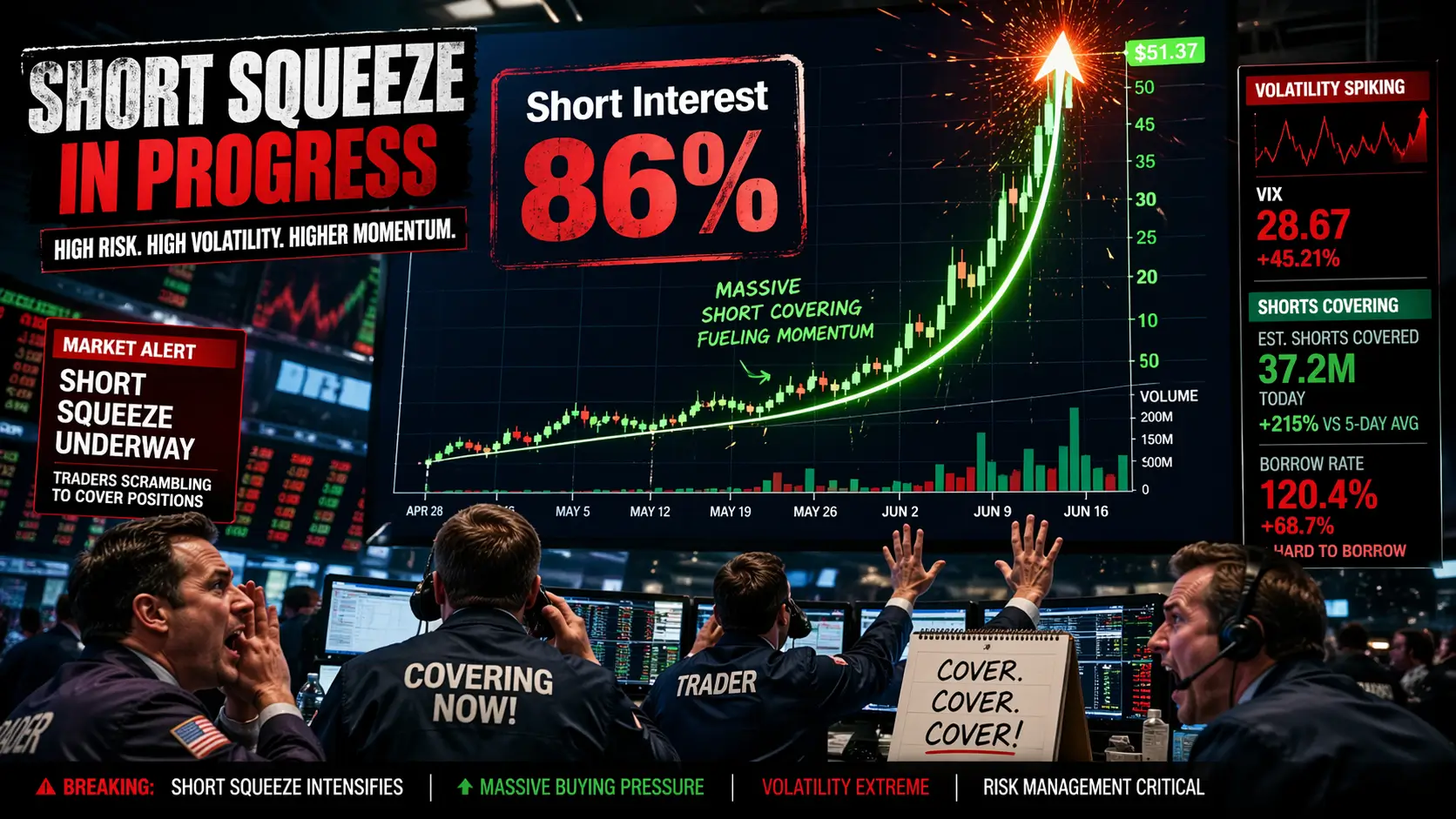
Avis shares just hit a record — and the rally now carries rising reversal risk.
The stock surged more than 30% in April 2026, reaching a new high on 04/21/2026 (ET) despite the company reporting a recent quarterly loss. Analysts warn the move reflects trading pressure, not stronger business performance. That shift matters now because rallies driven by technical forces often unwind quickly.
Investors chasing momentum may mistake price strength for financial strength. If buying slows, volatility could spike just as fast on the downside.
---
Why Avis Is Spiking Right Now
The surge is being driven by positioning, not earnings.
As of 04/21/2026 (ET), short interest in Avis exceeded 86% of the free float, one of the highest levels in the U.S. market. Short sellers betting against the stock have already lost an estimated $4 billion in April 2026 as prices climbed.
At the same time, concentrated ownership has reduced the number of shares available to trade. That tight supply makes each new buy order more powerful and increases price swings.
This creates a fragile market setup.
Small bursts of demand can push prices sharply higher — even without positive news. The stock is now reacting more to liquidity conditions than to company fundamentals.
---
What Happens If Momentum Breaks
A short squeeze works like a chain reaction.
When prices rise, short sellers must buy shares to limit losses. That forced buying creates new demand, pushing prices even higher. Momentum traders then join the move, accelerating volatility.
But this dynamic rarely lasts forever.
If trading volume slows or investors begin taking profits, the same mechanics that pushed the stock upward can quickly drive it lower. Liquidity — not earnings — will likely determine the next phase of the move.
Key signals to watch:
- falling trading volume
- declining short interest
- institutional selling
- broader market volatility
As long as forced buying continues, prices can stay elevated. If that pressure fades, the downside risk could materialize rapidly.
---
Recommended Reading
Volatility is spreading across markets — these developments show why risk is rising:
- Stocks Jump as War Risk Eases — But Volatility Isn’t Over
- Stock Futures Are Swinging Again — Here’s What’s Driving the Sudden Moves
---
FAQ
Why did Avis stock jump so quickly in April 2026?
The surge was driven by extremely high short interest and limited share supply, forcing short sellers to buy shares as prices rose.
Does this rally reflect improving fundamentals?
No. The company recently reported a loss, suggesting the move is largely technical rather than operational.
What is the biggest risk for investors now?
A rapid price drop if momentum fades or liquidity conditions change.
Why are heavily shorted stocks more volatile?
Because forced buying and limited supply can amplify both upward and downward price moves.
---