Crypto
Best Crypto Exchanges for U.S. Investors in 2026
Learn how to choose a safe, low-cost crypto platform
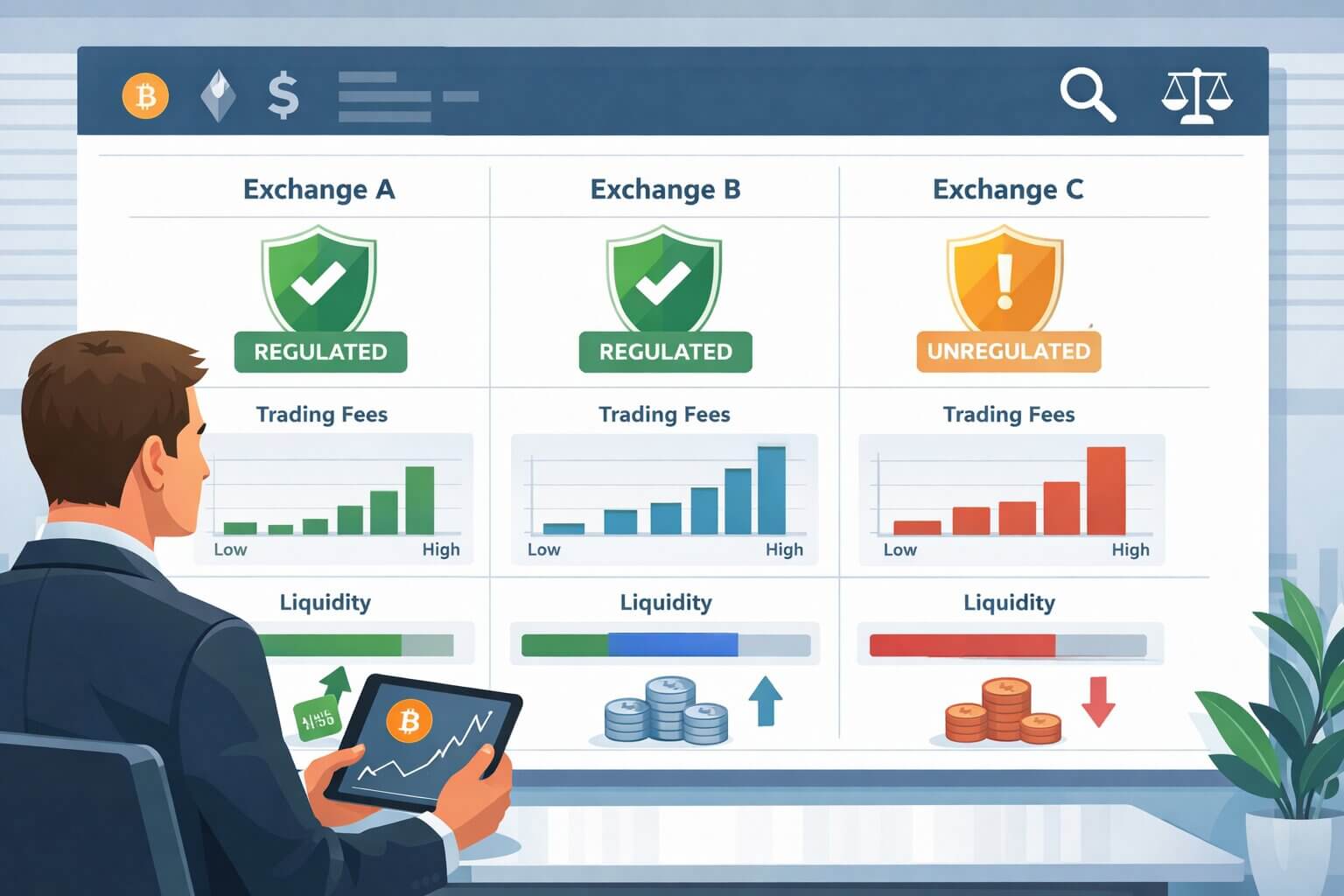
Many investors ask the same question in 2026: Which crypto exchange should I use, and how do I choose safely? The answer is no longer just about fees or features. Regulation, platform reliability, and liquidity now play a major role in trading performance and risk management.
This guide explains how to evaluate crypto exchanges in the United States, why compliance rules affect platform availability, and how to select a trading platform that protects your capital while keeping costs predictable.
---
Why Exchange Choice Matters More Than Ever
The cryptocurrency market has matured into a large global financial system. As participation increased, regulators introduced stricter rules for exchanges serving U.S. customers. Those changes directly affect where investors can trade and how efficiently they can execute orders.
In earlier years, traders often chose exchanges based on popularity. Today, the most important factor is whether the platform is legally authorized to operate in the United States.
If an exchange is not compliant, users may face:
- Withdrawal delays
- Account restrictions
- Limited customer support
- Sudden service interruptions
These risks can appear during periods of high volatility, when reliable access to funds matters most.
The key takeaway is simple:
Choosing the right exchange is now a core part of managing investment risk.
---
How Regulation Determines Which Exchanges U.S. Investors Can Use
Regulation defines the boundaries of the U.S. crypto market. Exchanges must meet specific requirements before serving American customers.
Core Compliance Requirements
Most exchanges operating in the United States must:
- Register with financial regulators
- Implement anti-money-laundering controls
- Verify customer identities
- Maintain secure custody systems
- Follow reporting and security standards
These rules increase operational costs, but they also improve transparency and reliability.
In recent years, enforcement actions against non-compliant platforms reinforced the importance of these standards. Regulators made it clear that operating without authorization carries financial and operational consequences.
Global Popularity vs. U.S. Availability
Some well-known exchanges are widely used internationally but have limited or restricted access for U.S. investors.
Examples include:
These platforms remain popular due to competitive fees and large asset selections. However, as of 04/09/2026, they do not hold full U.S. licenses under current regulatory frameworks.
Understanding this distinction helps investors avoid unexpected disruptions.
---
How Exchange Selection Affects Fees and Trading Performance
Trading costs depend on more than just advertised fees. Liquidity and execution quality often have a larger impact on long-term results.
Visible Fees vs. Real Trading Costs
Most regulated U.S. exchanges charge:
- Trading fees typically between 0.1% and 0.6%
- Withdrawal fees based on network conditions
- Spreads that change with liquidity
Lower fees may look attractive, but poor liquidity can increase the total cost of trading.
This happens through slippage, which occurs when orders execute at less favorable prices than expected.
For active traders and professional investors, reliable execution often matters more than the lowest fee.
Asset Availability and Market Access
Regulation also determines which cryptocurrencies are listed on U.S. exchanges.
Some tokens available globally are restricted domestically due to classification or compliance risks. While this reduces the number of available assets, it can also reduce exposure to unstable or poorly regulated projects.
This balance reflects a broader trend:
Investor protection is increasingly tied to regulatory oversight.
---
Best Types of Crypto Exchanges for U.S. Investors
Instead of focusing on brand names alone, investors should understand the main categories of exchanges and how each fits different strategies.
Regulated U.S.-Accessible Exchanges
These platforms operate under U.S. oversight and prioritize compliance.
Typical strengths
- Legal authorization to serve U.S. customers
- Reliable banking connections
- Transparent reporting and custody practices
- Consistent security standards
Best for
- Long-term investors
- Institutional participants
- Risk-conscious traders
These exchanges emphasize stability and predictable operations.
Globally Popular Exchanges With Limited U.S. Access
These platforms dominate trading volume worldwide but operate under different regulatory rules.
Typical strengths
- Large selection of cryptocurrencies
- Competitive trading fees
- High liquidity in derivatives markets
Key limitation
Access for U.S. users remains restricted or conditional as of 04/09/2026.
Investors should confirm eligibility before transferring funds or opening accounts.
---
How to Evaluate a Crypto Exchange Step by Step
A structured evaluation process helps investors choose a platform confidently.
Step 1: Verify Regulatory Authorization
Confirm that the exchange is authorized to serve U.S. customers.
This step reduces the risk of account disruptions.
Step 2: Review Liquidity and Trading Volume
High liquidity improves execution speed and price stability.
This factor becomes critical during volatile market conditions.
Step 3: Compare Fee Structures
Look beyond headline fees.
Evaluate:
- Maker and taker fees
- Withdrawal costs
- Spread consistency
Transparent pricing is a sign of operational maturity.
Step 4: Assess Security and Custody Practices
Reliable exchanges typically provide:
- Multi-factor authentication
- Withdrawal safeguards
- Asset segregation
- Public security disclosures
Security infrastructure directly affects fund accessibility.
---
Risks and Limitations Investors Should Understand
Even regulated exchanges carry operational risks. Awareness helps investors prepare and respond quickly.
Common risks include:
- Regulatory changes affecting platform availability
- Liquidity disruptions during market stress
- Temporary withdrawal delays
- Changes to supported assets
Monitoring these factors supports long-term trading stability.
---
Practical Considerations Before Choosing an Exchange
Before opening an account, investors should compare platforms using consistent criteria.
Focus on:
- Regulatory authorization
- Liquidity depth
- Fee transparency
- Security reliability
- Customer support responsiveness
Using the same checklist across platforms makes comparisons more objective.
For a deeper understanding of market structure and trading costs, see also:
How Crypto Liquidity Impacts Trading Performance
---
Conclusion: The Right Exchange Protects Both Capital and Strategy
In 2026, selecting a crypto exchange is a strategic decision that affects cost, reliability, and risk exposure.
Regulation has reshaped the industry. Liquidity and compliance now determine how smoothly investors can trade and access funds.
The most effective approach is straightforward:
Choose a platform that combines legal authorization, strong liquidity, transparent fees, and dependable security.
As digital asset markets continue to evolve, disciplined platform selection will remain one of the most important steps in successful investing.
---
FAQ
What is the safest crypto exchange for U.S. investors?
Regulated exchanges authorized to operate in the United States generally offer the highest level of security, transparency, and consumer protection.
Why are some crypto exchanges restricted in the United States?
Because they do not meet licensing or compliance requirements required by U.S. regulators.
Do lower trading fees always mean better value?
No. Liquidity and execution quality often have a greater impact on total trading cost than advertised commission rates.
How often should investors review their exchange choice?
At least once per year, or whenever major regulatory or platform changes occur.
---