Markets
The Dollar’s Next Move Could Surprise Investors
Geopolitics and inflation fears are rewriting the currency outlook for 2026
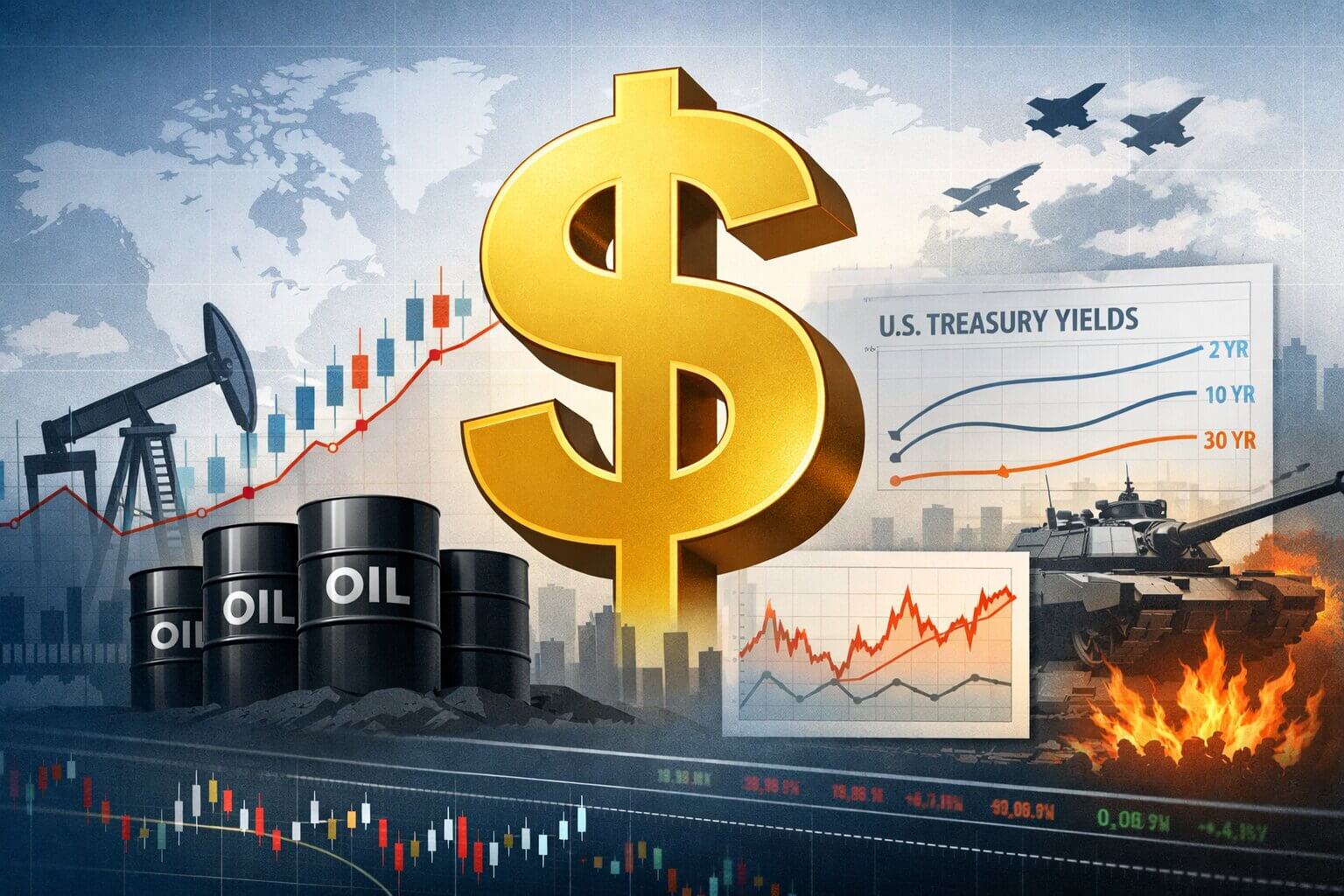
The U.S. dollar is suddenly back in the spotlight — and not for the reason investors expected. Just weeks ago, markets were positioning for rate cuts and a weaker currency. Now, a surge in geopolitical risk and rising oil prices have flipped that narrative, turning the dollar into one of the most important signals to watch in 2026.
That shift began after disruptions to Middle East energy routes on 02/28/2026, which pushed crude prices higher and reignited inflation concerns. By 03/27/2026, demand for dollar assets had strengthened as investors sought safety and reassessed the path of interest rates. In global markets, few forces move faster than fear — and right now, fear is supporting the currency.
From Rate Cuts to “Higher for Longer”
The real surprise is not just the dollar’s strength — it is the speed of the policy rethink behind it.
Earlier this year, many investors assumed the Federal Reserve would begin easing monetary policy by mid-2026. But rising energy costs have complicated that outlook. Inflation risks tied to oil prices are forcing markets to consider a different scenario: interest rates staying elevated well into late 2026.
That possibility matters because currency markets respond to expectations before policy decisions happen. When investors believe rates will remain higher, global capital flows toward dollar-denominated assets, pushing the currency upward and tightening financial conditions worldwide.
This is the regime shift defining the current moment. The dollar is no longer drifting on autopilot — it is reacting to a rapidly changing mix of inflation, energy, and geopolitics.
Why the Dollar Now Shapes the Market’s Next Move
A stronger dollar does not stay contained in currency markets. It ripples across the entire financial system.
Emerging-market currencies typically weaken when the dollar rises. Commodity prices can come under pressure. Multinational companies may see profits squeezed as overseas revenue translates into fewer dollars. Even equity valuations and global capital flows can shift as investors adjust risk exposure.
Here is the deeper insight: the dollar has become a real-time indicator of financial stress. When it strengthens quickly, it often signals tightening liquidity and rising uncertainty — conditions that can reshape portfolios across asset classes.
Still, the outlook is far from settled. If energy prices stabilize or geopolitical tensions ease, the dollar could retreat just as rapidly as it strengthened. But if inflation remains stubborn, the currency may continue climbing, reinforcing the “higher for longer” rate narrative.
For investors in 2026, watching the dollar is no longer optional. It is one of the clearest signals of where markets — and policy — may be headed next.
---
FAQ
Why is the U.S. dollar strengthening in 2026?
The dollar is strengthening due to rising geopolitical risk, higher oil prices, and shifting expectations that interest rates may remain elevated longer than previously anticipated.
How does a strong dollar affect investments?
A stronger dollar can pressure commodities, weaken emerging-market currencies, reduce multinational earnings, and tighten global financial conditions.
What could cause the dollar to weaken again?
A decline in inflation, falling oil prices, or clear signals of interest-rate cuts from the Federal Reserve could reverse the current trend.
Why are investors watching the dollar more closely now?
Because currency movements are closely tied to inflation expectations, Treasury yields, and global capital flows — making the dollar a key indicator of market conditions.
---
Sources and Further Reading
- Oil Prices Climb as Middle East Tensions Disrupt Supply — Reuters — 03/26/2026 — https://www.reuters.com
- Dollar Strengthens on Safe-Haven Demand — Bloomberg — 03/25/2026 — https://www.bloomberg.com
- Federal Reserve Policy Outlook and Rate Expectations — Federal Reserve — 03/19/2026 — https://www.federalreserve.gov
- Treasury Yields Rise as Inflation Risks Persist — Wall Street Journal — 03/24/2026 — https://www.wsj.com
- Global Financial Stability Update — International Monetary Fund — 03/2026 — https://www.imf.org
---