Markets
The Week Ahead: Data That Could Decide the Market’s Next Move
Investors face a pivotal moment as jobs and business activity reports arrive amid rising volatility.
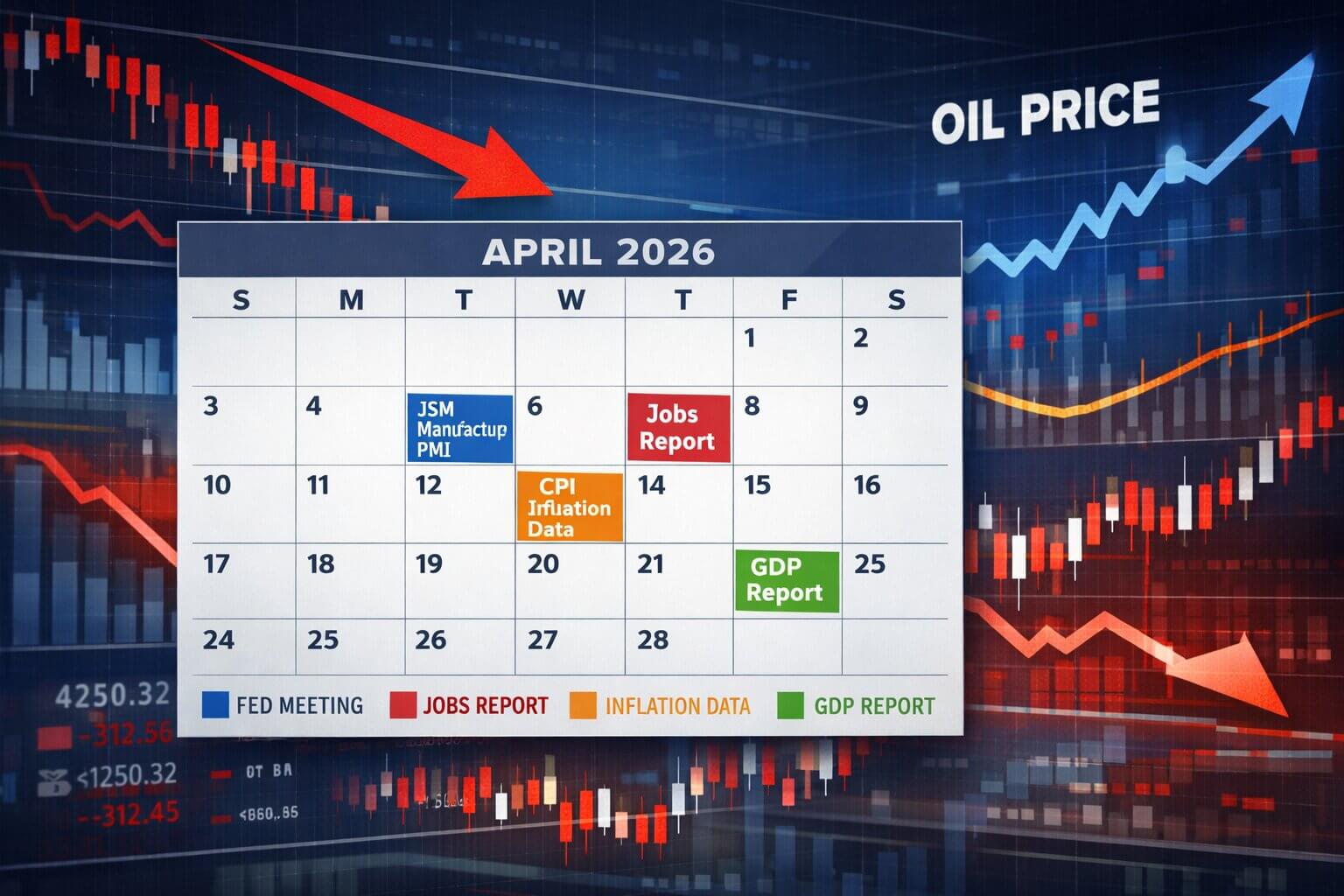
Wall Street is heading into the final stretch of the first quarter with nerves already frayed. The S&P 500 is down more than 7% year-to-date as of 03/28/2026 (ET), and traders are increasingly treating each economic release as a potential turning point rather than routine data.
That shift reflects a deeper anxiety: investors are no longer just watching inflation. They are watching for signs that growth itself may be cracking.
The Jobs Report Is the Market’s Main Event
The March employment report, scheduled for 04/03/2026 at 8:30 a.m. ET, has quickly become the week’s defining moment. Recent labor indicators have hinted at cooling momentum, including weaker hiring in February and softer employment readings in March business surveys.
In normal times, modest fluctuations in payroll growth would barely move markets. Today, they carry outsized weight. A strong report could reassure investors that the economy remains resilient despite rising energy costs and geopolitical tension. That would likely push Treasury yields higher and stabilize equities.
But a weak reading would reinforce a more troubling narrative—that the economy is slowing just as inflation risks remain elevated. That combination is particularly uncomfortable for policymakers because it limits the Federal Reserve’s flexibility.
The real question is not whether growth is slowing, but how quickly.
A “Stagflation-Lite” Backdrop Raises the Stakes
Beyond the jobs data, investors will also monitor manufacturing activity on 04/01/2026 and services activity on 04/03/2026, along with weekly jobless claims. Individually, these releases are routine. Together, they form a snapshot of economic momentum at a fragile moment.
What makes this week unusually important is the tension between rising costs and weakening demand. Energy prices have climbed sharply in recent weeks, raising concerns that inflation could remain sticky even as hiring and spending cool.
This dynamic—sometimes described as a “stagflation-lite” environment—means markets are reacting more aggressively to incremental data. The margin for error has narrowed.
From an investor’s perspective, the risk is less about a single bad number and more about confirmation. If multiple indicators point in the same direction, markets could quickly shift expectations for Federal Reserve policy and economic growth in the second half of 2026.
That is why this week matters. It is not just another set of reports—it is a test of the market’s underlying confidence.
FAQ
Why is the March jobs report so important right now?
Because recent labor data has shown signs of slowing, the 04/03/2026 employment report will help determine whether the economy remains resilient or is entering a weaker phase.
How could strong data affect markets?
Stronger-than-expected hiring or business activity could reduce expectations for interest-rate cuts, pushing Treasury yields higher and supporting equities.
What would increase recession concerns?
Consistent declines in payroll growth, rising jobless claims, and contracting business activity would signal that economic momentum is fading.
Why are markets reacting more strongly to economic data in 2026?
Investors are navigating a mix of inflation pressure and slowing growth, making each data release more influential for policy expectations and market direction.
Sources and Further Reading
- U.S. Employment Situation Summary — Bureau of Labor Statistics — 03/07/2026 — https://www.bls.gov
- ADP National Employment Report — ADP Research Institute — 03/05/2026 — https://www.adp.com
- ISM Manufacturing PMI Report — Institute for Supply Management — 03/03/2026 — https://www.ismworld.org
- ISM Services PMI Report — Institute for Supply Management — 03/05/2026 — https://www.ismworld.org
- U.S. Weekly Jobless Claims Report — U.S. Department of Labor — 03/27/2026 — https://www.dol.gov
- Stocks Slide as Energy Prices Rise — Reuters — 03/26/2026 — https://www.reuters.com
- Fed Rate Expectations Tool — CME Group — 03/27/2026 — https://www.cmegroup.com
---