Economy
Rate Cuts Risk Delay as Fed Signals Longer Hold
April decision may keep borrowing costs high into 2026
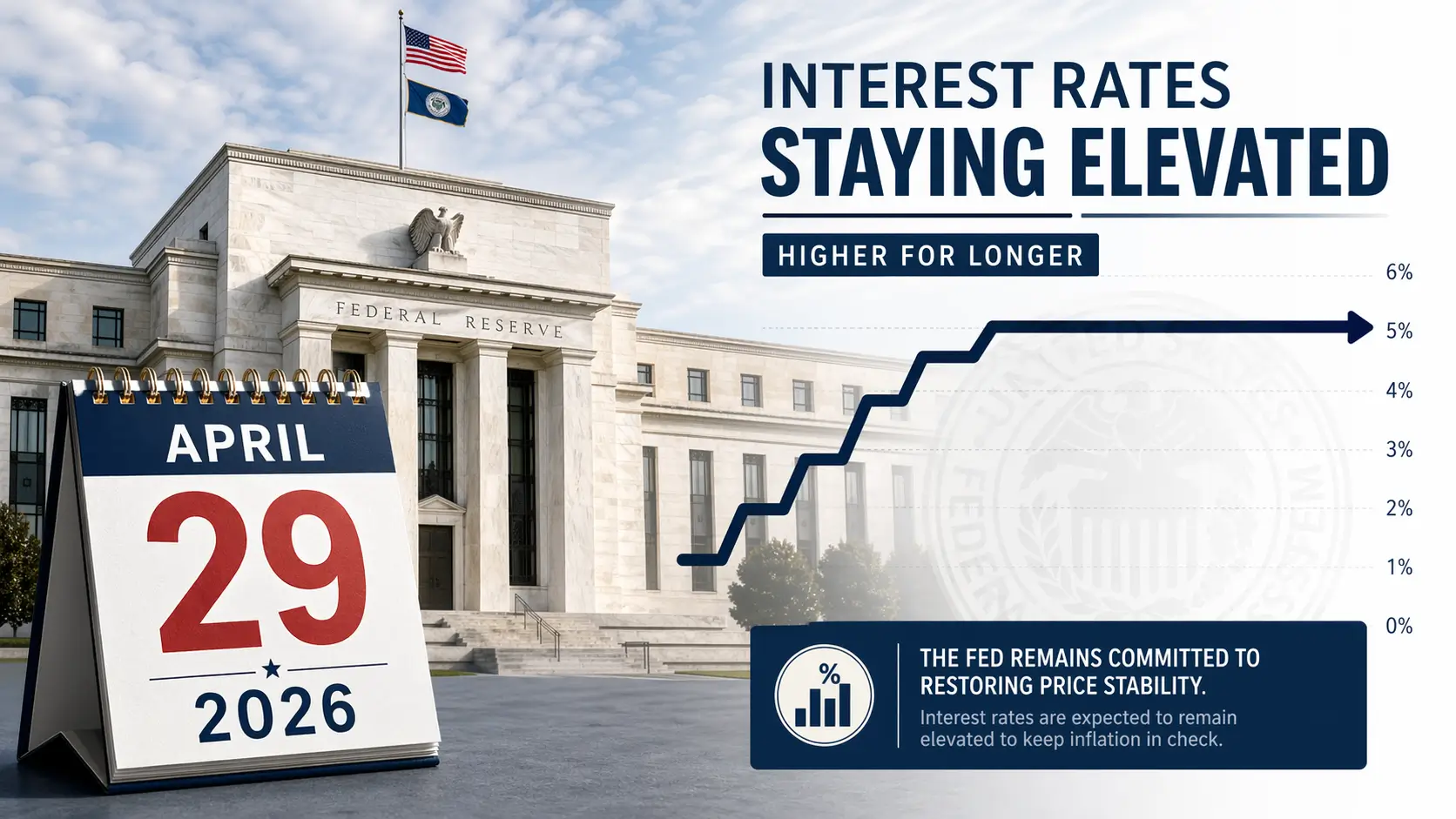
Rate cuts are moving further out.
The Federal Reserve is expected to hold interest rates steady at its April 28–29, 2026 meeting. But markets are shifting focus. Investors now want to know whether borrowing costs will stay high longer than planned.
The Fed kept the federal funds target range at 3.50% to 3.75% on March 18, 2026 (2:00 p.m. ET). Since then, fresh data have changed the outlook. Inflation is proving stubborn, and the economy is still expanding. That combination makes early rate cuts harder to justify.
Inflation and Jobs Data Are Forcing a Policy Pause
Recent reports pushed expectations in a new direction.
Consumer prices rose 3.3% year over year in March 2026, with a strong 0.9% monthly increase, according to data released April 10, 2026 (8:30 a.m. ET). That jump showed inflation pressure remains uneven and could stay above target longer.
The labor market is also steady. Employers added 178,000 jobs in March 2026, and unemployment held at 4.3%, based on figures published April 4, 2026 (8:30 a.m. ET).
This mix keeps the Fed cautious. Inflation is not cooling fast enough, and growth has not weakened enough. As a result, policymakers have little urgency to cut rates.
The Market Impact Now Depends on How Long Rates Stay High
Markets already expect no rate change in April. The bigger issue is duration.
Some policymakers have signaled concern that energy costs and global tensions could push inflation higher again. That risk is shifting expectations. Investors increasingly see rates staying elevated through much of 2026, not falling quickly after summer.
That shift affects borrowing immediately. Mortgage rates, corporate loans, and credit costs follow expectations about future policy. If the Fed signals patience again in April, financing conditions could remain tight across the economy.
The next rate move still points downward. But the timeline is stretching. If inflation stays firm through mid-2026, markets could face a longer period of high rates than currently priced.
---
FAQ — Federal Reserve April 2026 Meeting
Will the Federal Reserve change rates in April 2026?
Most investors expect the Fed to keep rates unchanged at the April 28–29, 2026 meeting.
Why are rate cuts being delayed?
Inflation remains above target, and job growth is still solid. That reduces pressure on the Fed to ease policy.
What matters most from this meeting?
Investors will watch for signals about when rate cuts could begin, not whether rates change now.
Which parts of the economy are most sensitive to this decision?
Housing, credit markets, and interest-rate-sensitive stocks respond quickly to changes in rate expectations.
---