Economy
Gas Prices Hit $4 — Rate Cuts Face New Risk
A brief drop in fuel costs could delay policy easing
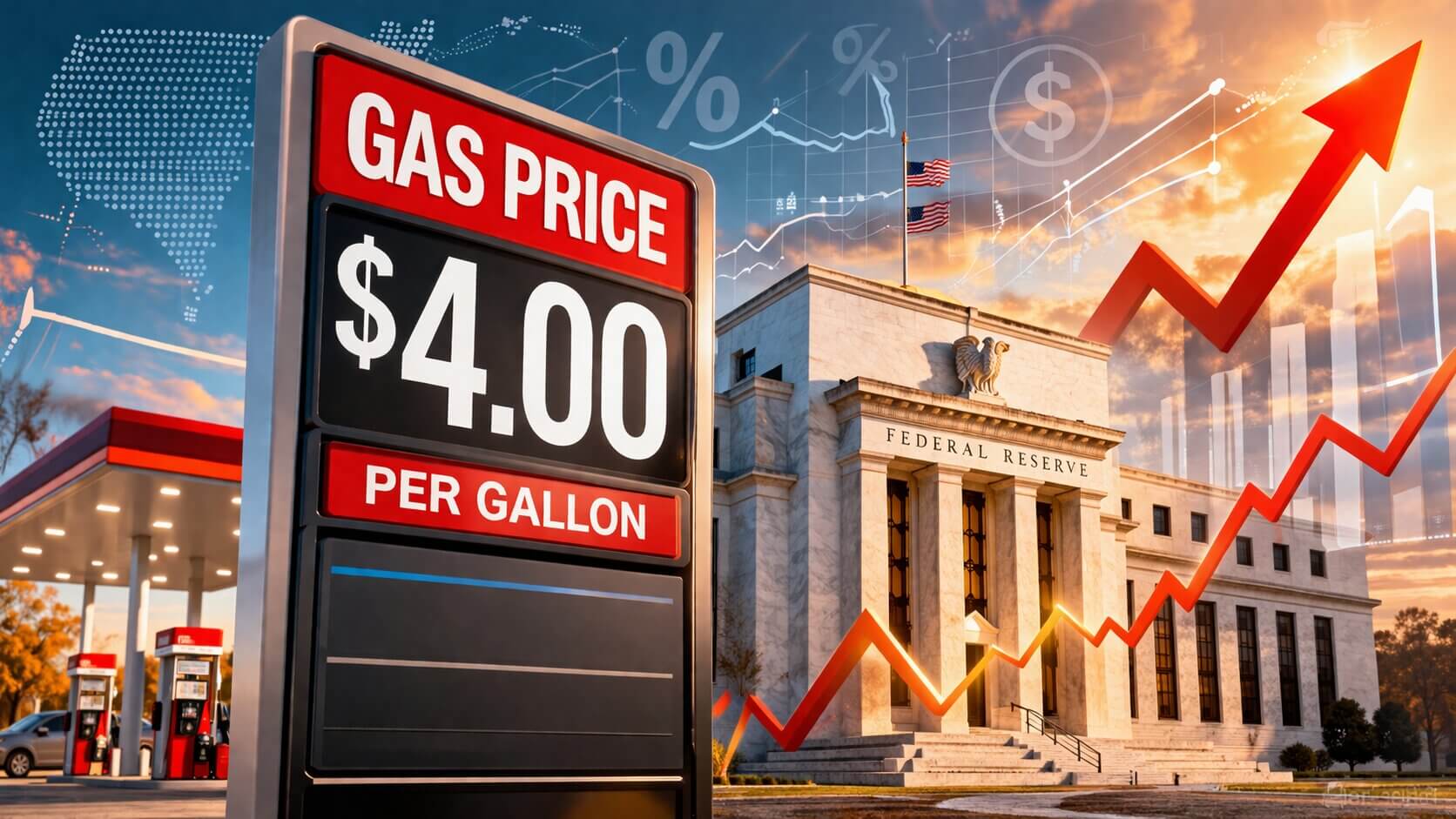
Gas prices just crossed $4 per gallon again, raising the risk that inflation stays stubbornly high.
As of 04/09/2026, the U.S. national average gasoline price moved above that level for the first time since 2022, immediately tightening pressure on consumers and policymakers.
Markets now expect prices to ease later this year. But the bigger concern is timing. If gasoline falls briefly and then rises again, interest-rate cuts could be pushed further into 2027.
Prices May Dip — But Supply Remains Tight
Short-term relief looks possible. Energy forecasts released on 04/08/2026 point to stronger refinery output and slightly lower oil prices in the second half of 2026. That combination could pull gasoline prices down after the spring surge.
Yet the supply system remains fragile. U.S. refining capacity is still below pre-2020 levels, leaving little room to absorb disruptions. Even modest outages or shipping delays can quickly lift prices.
Inventories also remain tight by historical standards. Rebuilding refining capacity takes years, not months, and global demand continues to grow. That structural imbalance means price declines are likely to be temporary rather than sustained.
For investors, the takeaway is simple: volatility is now the baseline.
Why Fuel Prices Still Drive Inflation and Market Risk
Gasoline prices influence inflation expectations faster than most economic data. Consumers see the cost immediately, and spending behavior adjusts quickly.
Consumer sentiment data released on 04/12/2026 showed confidence weakening as fuel costs climbed. That shift matters because the Federal Reserve closely monitors inflation expectations when deciding whether to cut rates.
If gasoline prices stabilize or fall modestly, policymakers may gain flexibility to ease policy. But if prices spike again during peak summer demand, inflation could stay elevated longer than markets expect.
That scenario would pressure consumer spending, transportation stocks, and rate-sensitive sectors such as housing and retail.
The critical risk now is not today’s price level—it is the possibility of another surge later in 2026.
FAQ
Will gas prices fall later in 2026?
Prices may decline temporarily as supply improves, but structural shortages could keep volatility high.
Why do gasoline prices affect interest rates?
Fuel costs shape inflation expectations, which directly influence Federal Reserve policy decisions.
Could rate cuts be delayed again?
Yes. A renewed increase in gasoline prices would likely keep inflation elevated and postpone policy easing.
What indicator should investors watch next?
Refinery capacity, fuel inventories, and geopolitical disruptions remain the most important signals.
---