Economy
Gas Prices Stay Above $4 — Pressure on Consumers Builds
Higher fuel costs are squeezing spending and keeping inflation risks alive
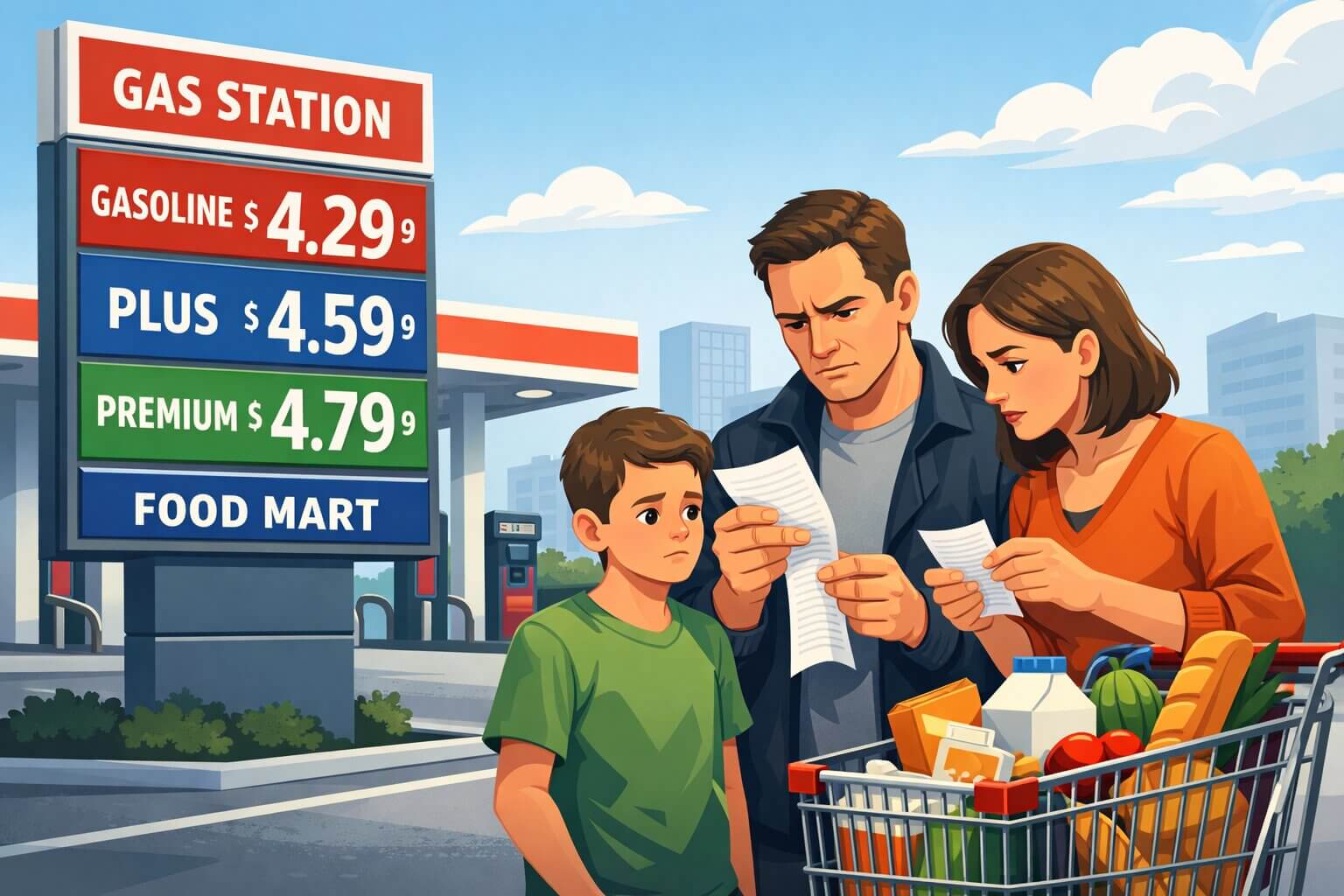
Gas prices remain above the $4 level in many regions as energy costs continue to weigh on household budgets. The persistence of higher fuel prices is becoming a key signal for inflation pressure and consumer spending trends in 2026.
Since the escalation of the U.S.–Iran conflict on 02/28/2026, the national average price of gasoline has climbed more than $1 per gallon, reaching roughly $4.08 as of 04/02/2026 (ET). The move happened fast, and consumers feel it every week at the pump.
As of April 2026, gasoline prices remain elevated compared with recent averages.
That sudden jump is now shaping spending decisions and pushing inflation expectations higher just as investors look for signs that interest rates could fall later in 2026.
---
Why Gas Prices Are Rising
The trigger was geopolitical risk.
Air strikes against Iran in late February raised fears of disruptions to oil shipments through the Strait of Hormuz, a key global shipping route. Even the threat of disruption pushed crude prices higher within days.
Fuel markets reacted quickly. Higher shipping costs and tighter supply pushed gasoline prices up about 34% in just over a month.
Seasonal demand is adding pressure. Spring travel is increasing fuel consumption, and inventories remain tight. The result is a price shock that households notice immediately — and one markets are watching closely.
What matters now is duration. If supply risks persist, fuel prices could stay elevated into summer.
---
How It Affects Household Spending
The impact shows up in routine expenses.
A typical driver now pays roughly $15 more per tank than in late February. That change forces households to make quick adjustments — fewer trips, delayed purchases, and tighter weekly budgets.
Spending data already reflect the shift. Consumer spending growth slowed to about 1.2% annualized in the first quarter of 2026, down from 1.7% in the previous quarter.
Confidence is also weakening. Consumer sentiment dropped to 53.3 in March 2026, signaling growing concern about finances.
The risk is straightforward: when fuel costs rise quickly, discretionary spending usually falls just as fast.
---
What It Means for Inflation
Fuel prices are now driving inflation expectations again.
Year-ahead inflation expectations climbed to 3.8% in March 2026, the highest level since mid-2025. That shift matters because expectations often shape future price behavior.
If households believe inflation will stay high, businesses are more likely to raise prices — and policymakers are more likely to keep rates elevated.
That is the key signal for markets.
If gasoline prices stabilize, inflation pressure could ease later in 2026. If they keep rising, rate cuts could be delayed again.
If fuel prices remain elevated, consumer spending could slow further in the coming months.
---
FAQ
Why are gas prices rising right now?
Prices jumped after the U.S.–Iran conflict on 02/28/2026 increased risks to global oil supply routes and pushed fuel costs higher.
How do higher gas prices affect inflation?
Fuel is a frequent purchase. Rising gasoline prices quickly raise inflation expectations and can lead businesses to increase prices.
Will gas prices keep rising in 2026?
That depends on energy supply conditions and geopolitical risks. Continued disruptions could keep prices elevated.
What should investors watch next?
Energy prices, inflation expectations, and Federal Reserve policy signals will determine whether rate cuts move forward or get delayed.
---
Sources and Further Reading
- National Average Gas Prices Surge in March — AAA — 04/02/2026 — https://gasprices.aaa.com
- March 2026 Surveys of Consumers — University of Michigan — 03/2026 — https://www.sca.isr.umich.edu
---