Economy
One Jobs Report Just Delayed Rate Cuts Again
Borrowing costs may stay high deeper into 2026
Rate cuts just became harder to justify.
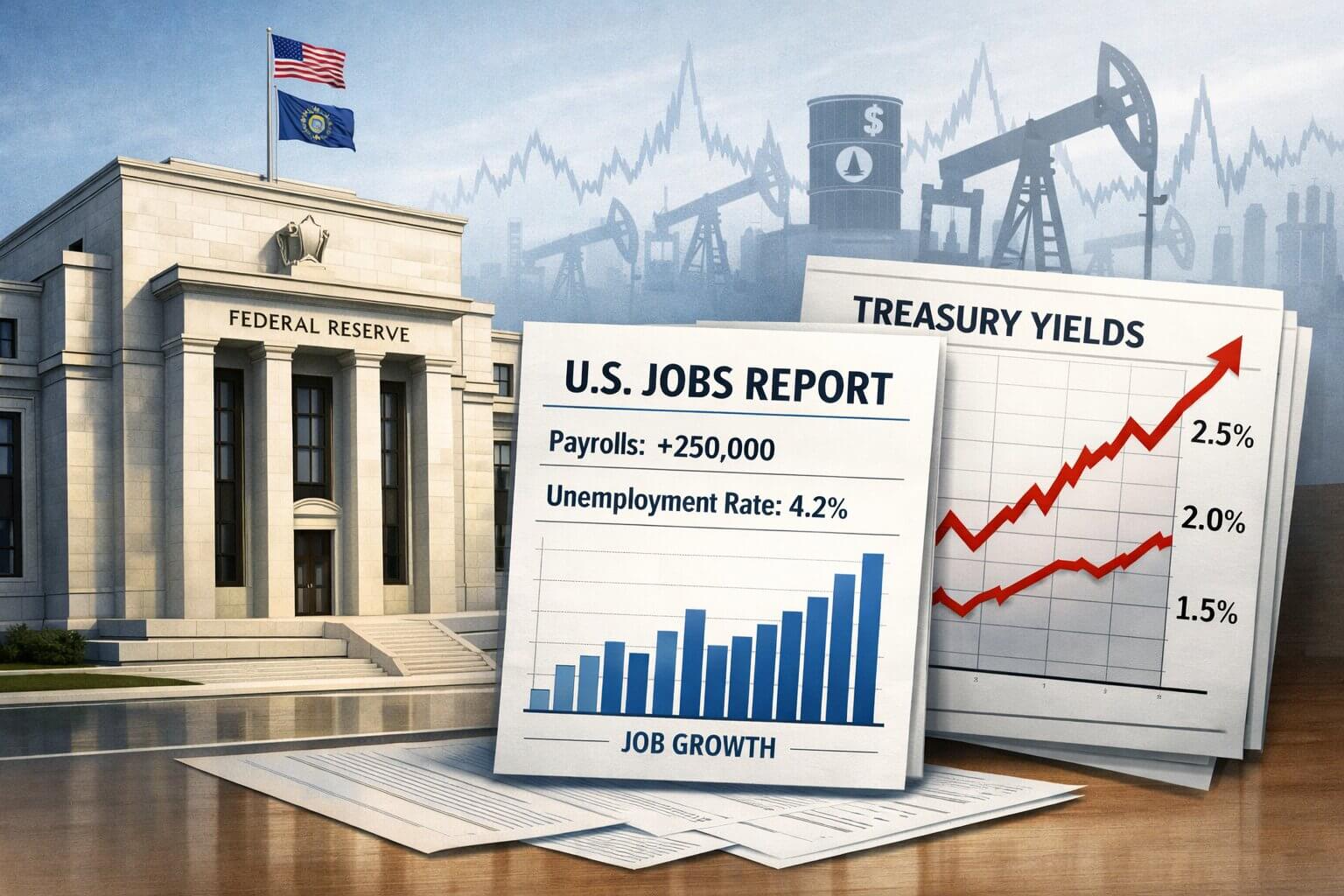
The U.S. jobs report released on 04/03/2026 did not show a labor market collapse. Instead, it showed stability after February’s unexpected payroll losses. That shift matters because the Federal Reserve does not cut rates when employment is holding together.
For investors and borrowers, the message is immediate: policy relief is likely moving further into the future.
What the Jobs Report Showed
March hiring looks more like stabilization than deterioration.
February shocked markets with job losses and a jump in unemployment to 4.4%, raising fears that the economy was weakening quickly. The latest report suggests that slowdown is real, but not accelerating.
That distinction keeps recession risk contained for now. It also removes urgency for policymakers to act. A labor market that is cooling—but not breaking—gives the Fed time to wait.
The risk is subtle but important. If job growth stays weak yet steady, the economy can slow without triggering rate cuts. That scenario keeps financial conditions tight.
Why Rate Expectations Just Shifted
The Federal Reserve held rates at 3.50%–3.75% on 03/18/2026 and signaled patience. This report reinforces that stance.
Inflation risks remain elevated, especially with rising energy prices tied to geopolitical conflict in the Middle East. As long as inflation pressure lingers and layoffs remain limited, policymakers can justify staying on hold.
That is the shift markets are absorbing now. Earlier in the year, investors expected faster easing. Today, the timeline looks longer.
Higher rates are no longer a temporary condition. They are becoming the baseline.
What Happens Next for Markets
Treasury yields may stay firm, particularly at the short end of the curve.
Equities face a more selective environment. Companies dependent on cheap financing remain exposed, while defensive sectors may hold up better. Credit conditions are also likely to stay restrictive, especially for refinancing and new borrowing.
The next major signal arrives with the Consumer Price Index release on 04/10/2026. If inflation stays sticky and employment remains stable, the Fed can stay on hold well into the second half of the year.
That is the core risk investors must watch now: policy may not tighten further, but it may not ease anytime soon.
FAQ
### Did this jobs report cancel rate cuts in 2026?
No. It likely delays them. Stable employment reduces the urgency for immediate easing.
### Why does a stable labor market keep rates high?
Because the Fed cuts rates mainly when economic weakness becomes clear and sustained.
### What should investors monitor next?
Inflation data, wage growth, and unemployment trends in the next two monthly releases.
### How does this affect borrowing decisions?
Expect mortgage and credit costs to remain elevated longer than previously expected.
Sources and Further Reading
- Employment Situation Summary — U.S. Bureau of Labor Statistics — 03/06/2026 — https://www.bls.gov/news.release/empsit.nr0.htm
- Federal Reserve issues FOMC statement — Federal Reserve — 03/18/2026 — https://www.federalreserve.gov/newsevents/pressreleases/monetary20260318a.htm
- U.S. employment growth likely rebounded in March — Reuters — 04/03/2026 — https://www.reuters.com
---