Economy
Mortgage Rates Stay High — Housing Recovery Slows
Rates near 6.5% keep buyers under pressure this spring
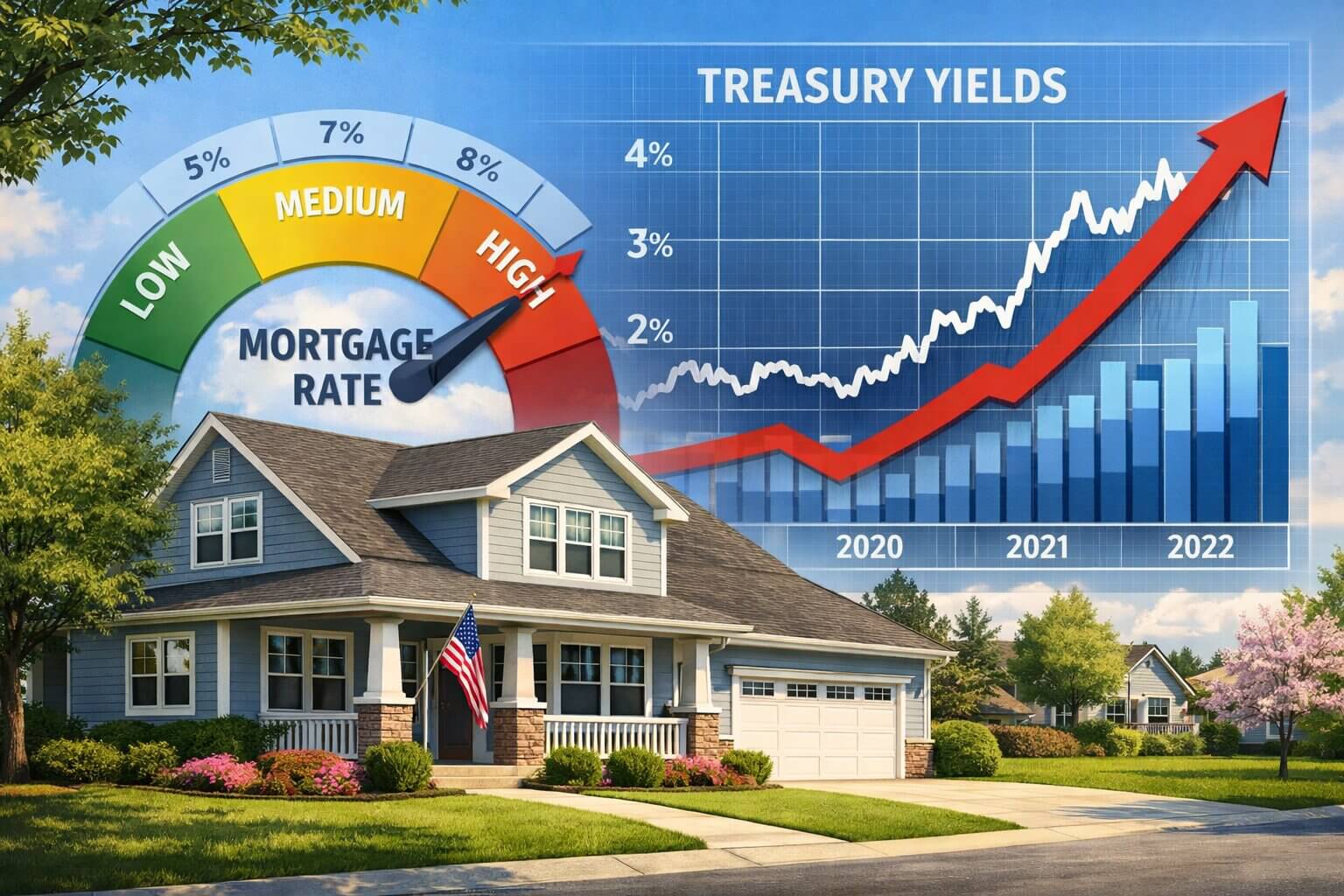
Mortgage rates remain high, and the housing recovery is slowing.
The average 30-year mortgage rate jumped about 42 basis points after 02/28/2026 geopolitical tensions and is still hovering near 6.5% as of 04/03/2026. Monthly payments remain elevated just as the spring buying season begins, keeping affordability tight for many households.
The shift is not dramatic—but it is persistent. Rates are staying high long enough to delay demand.
---
Treasury Yields Are Keeping Borrowing Costs Elevated
Mortgage rates are rising because bond markets are reacting to risk.
After geopolitical tensions escalated in late February, investors pushed Treasury yields higher to reflect inflation and energy price uncertainty. The 10-year Treasury yield moved back above 4% in early April 2026, reinforcing higher mortgage costs even during brief weekly declines.
This dynamic matters now because mortgage rates respond quickly to bond market volatility. Even if the Federal Reserve signals future rate cuts, borrowing costs can remain elevated if yields stay unstable.
For buyers, the takeaway is immediate: housing affordability now depends more on bond market stability than on Federal Reserve policy timing.
---
Demand Is Softening as Policy Pressure Builds
Housing demand is weakening at a sensitive moment.
Mortgage purchase applications remained below year-ago levels as of 04/03/2026, despite the start of the spring season. Refinancing activity is also subdued because current rates offer little savings incentive for existing homeowners.
This trend is turning housing affordability into a national policy issue.
Federal officials are preparing potential housing measures aimed at easing financing pressure and supporting supply. The concern is straightforward: if borrowing costs stay near current levels through mid-2026, the housing recovery could shift further into 2027.
Mortgage rates have become one of the clearest signals of financial conditions in the U.S. economy. If Treasury yields rise again or inflation expectations remain firm, borrowing costs could climb further and delay the housing rebound even longer.
---
FAQ — Mortgage Rates and Housing in 2026
Why did mortgage rates rise again in early 2026?
Rates increased after geopolitical tensions in late February pushed Treasury yields higher and reinforced inflation expectations.
Are mortgage rates expected to fall in 2026?
They may decline gradually, but sustained drops depend on lower inflation and stable bond yields.
Should buyers wait for lower mortgage rates?
Waiting could reduce borrowing costs, but limited housing supply and rising prices may offset the benefit.
Why are mortgage rates so important for the economy right now?
They directly influence housing demand, consumer spending, and financial conditions, making them a key economic signal.
---