Markets
Oil Surges to $116 After Trump Iran Warning
A single statement about seizing Iran’s oil jolted markets and revived fears of a global inflation shock
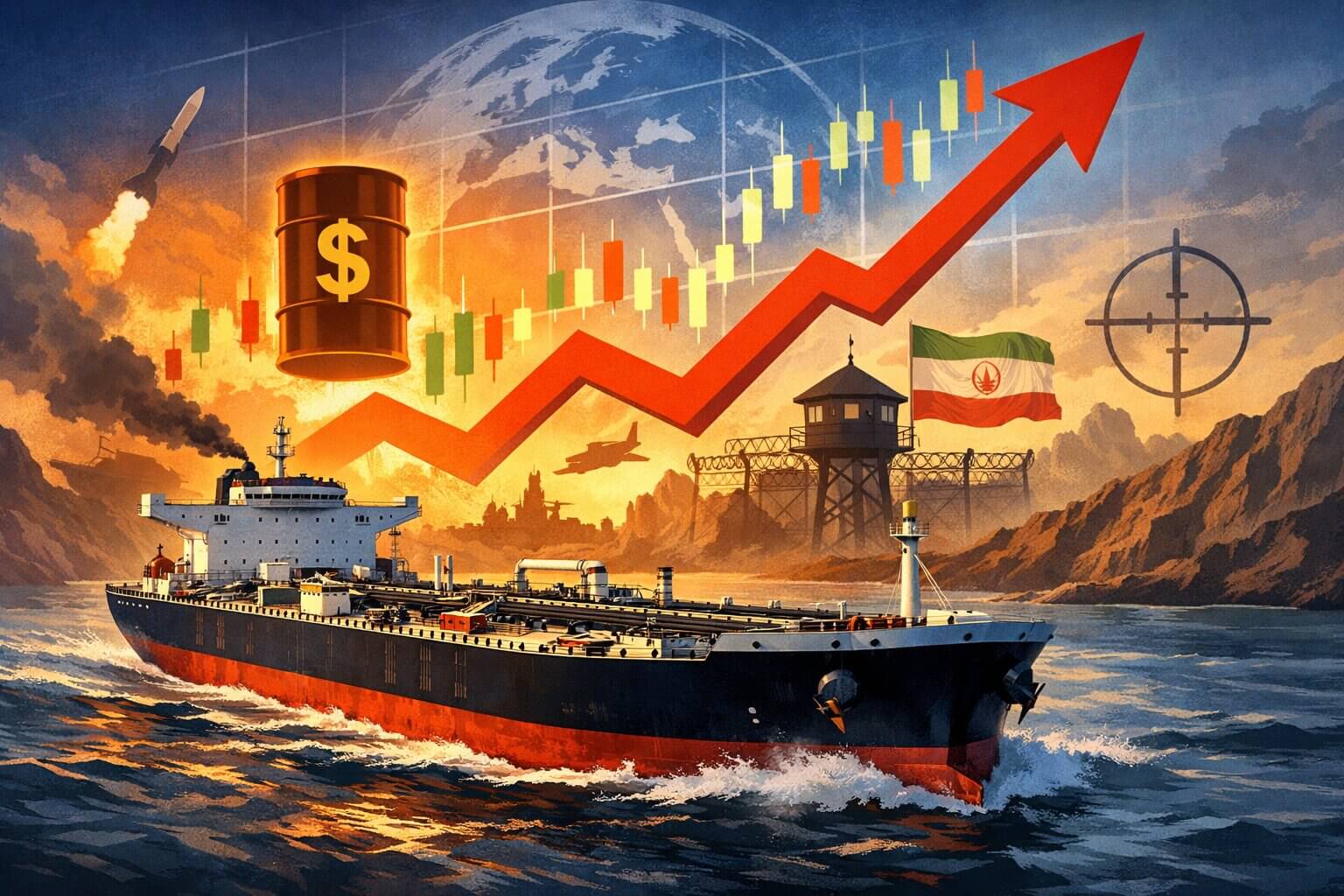
Oil didn’t wait for missiles to fly. It reacted to words.
On 03/30/2026, crude prices surged to roughly $116 per barrel as of 10:30 a.m. ET, after U.S. President Donald Trump suggested the United States could seize Iran’s oil infrastructure, including the strategic export hub at Kharg Island. Within hours, traders recalculated risk — not demand, not supply, but the possibility that the world’s most sensitive energy corridor could suddenly become unstable.
The speed of the move revealed something deeper: in energy markets, perception can move prices just as powerfully as physical disruption.
---
A Geopolitical Shock — Not a Supply Shortage
This rally is not about stronger economic growth or rising fuel consumption. It’s about fear — specifically, fear that escalating tensions in the Middle East could choke off supply through the Strait of Hormuz, the narrow passage that carries roughly one-fifth of global oil shipments.
Since early March 2026, Brent crude has climbed nearly 60%, the steepest monthly surge on record. That jump coincided with a string of destabilizing events, including missile attacks by Houthi forces and the deployment of additional U.S. troops to the region.
None of those developments stopped oil from flowing. But collectively, they made markets nervous enough to price in disruption before it happens.
That dynamic explains why a single political statement triggered such a sharp reaction. Oil is one of the few assets where geopolitical tension instantly translates into financial volatility.
---
Why the Surge Matters for Inflation, Markets, and What Comes Next
Higher oil prices ripple quickly through the economy. Fuel becomes more expensive, shipping costs rise, and consumer prices follow. For central banks already balancing fragile growth and stubborn inflation, the timing is awkward.
If energy costs stay elevated, interest-rate cuts expected later in 2026 could be delayed — a scenario that would tighten financial conditions just as businesses and households are looking for relief.
Markets are already drawing battle lines.
Energy and defense stocks tend to benefit from geopolitical stress, while airlines, logistics firms, and manufacturers face shrinking margins. Consumers, meanwhile, feel the pressure at the gas pump first — and often pull back spending soon after.
The biggest risk remains ahead. Analysts warn that if military conflict escalates or shipping through the Strait of Hormuz is disrupted, oil could climb to $150–$200 per barrel, levels historically associated with economic slowdowns or outright recession.
That possibility is why this moment feels different from routine market volatility. It’s not just a price spike — it’s a reminder that global energy stability still depends on political stability.
And right now, that balance looks fragile.
---
FAQ
Why did oil jump to $116 on March 30, 2026?
Oil surged after President Trump suggested the U.S. could seize Iran’s oil infrastructure, raising fears of supply disruption.
Was the price increase caused by higher demand?
No. The spike was driven primarily by geopolitical risk and concerns about potential supply interruptions.
Why is the Strait of Hormuz so important?
It is one of the world’s most critical energy chokepoints, carrying about 20% of global oil shipments.
Could oil reach $200 per barrel?
Yes. Analysts warn that a major disruption to Middle East supply routes could push prices into that range and increase recession risk.
---
Sources and Further Reading
- Oil Hits $116 After Trump Threatens Iran Oil Seizure — Reuters — 03/30/2026 — https://www.reuters.com
- Brent Crude Surges as Middle East Tensions Escalate — Bloomberg — 03/30/2026 — https://www.bloomberg.com
- Strait of Hormuz Transit Volumes and Strategic Importance — U.S. Energy Information Administration — 2025 — https://www.eia.gov
---