Economy
Oil Above $110 Threatens 2026 Rate Cuts
Energy shock is pushing inflation higher and delaying Fed easing
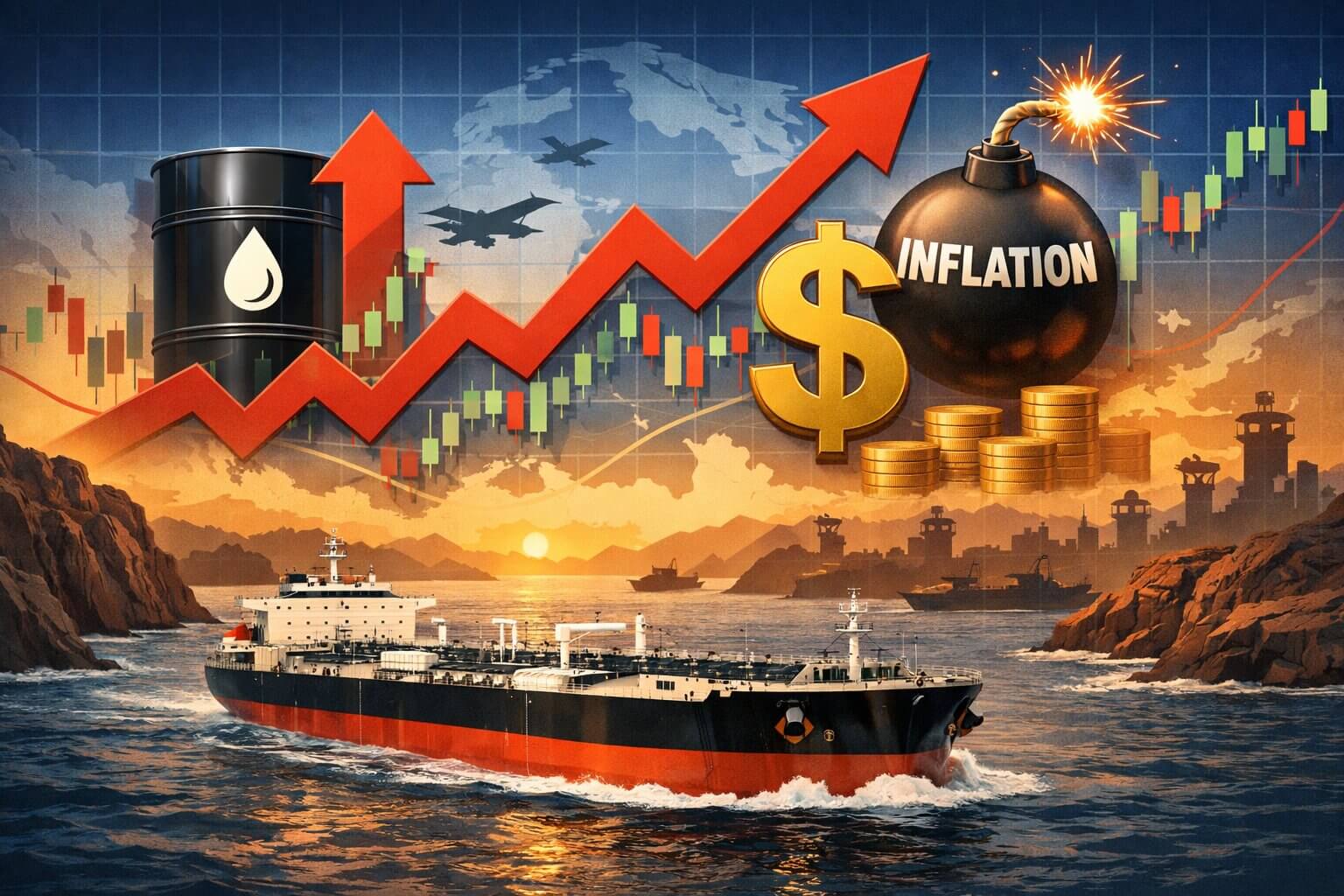
Oil above $110 is forcing markets to rethink rate cuts.
As of 04/05/2026 (ET), crude prices surged past the $110 mark after military conflict involving Iran disrupted shipping through the Strait of Hormuz. The move hit markets at a sensitive moment—just as investors expected the Federal Reserve to begin easing policy later this year.
Now that timeline is slipping. Stocks, bonds, and rate expectations are adjusting at the same time.
This is no longer just an energy story. It is a policy shock.
---
Supply Shock Hits at the Worst Time
The trigger is a sudden loss of supply from one of the world’s most critical oil routes.
Energy officials estimate recent disruptions have removed roughly 12% of global oil output from accessible markets. The Strait of Hormuz handles a large share of daily global exports, so even short disruptions can move prices quickly.
That is exactly what happened in late March and early April 2026.
The timing matters more than the price. Inventories were already tight, and demand remained stable. When supply dropped, prices jumped—and inflation risk returned immediately.
If disruptions continue into summer, analysts warn oil could climb further. That would extend the pressure on inflation and interest rates.
---
Inflation Risk Is Back on the Table
Higher energy prices move quickly into the economy.
Fuel costs affect transportation, food, manufacturing, and household budgets. Even temporary spikes can slow progress on inflation.
Before this shock, markets widely expected rate cuts in the second half of 2026. That expectation is now fading.
Bond yields are rising again because investors believe inflation may stay higher for longer. For the Federal Reserve, the choice is difficult:
- Cut rates too soon and inflation could rebound
- Wait too long and economic growth could weaken
Either path carries risk.
---
What Investors Should Watch Next
Markets are shifting from optimism to caution.
Rate-sensitive sectors—technology, housing, and consumer spending—are already feeling pressure. These industries depend heavily on borrowing costs and consumer confidence.
If oil remains above $100 through the second half of 2026, three outcomes become more likely:
- Rate cuts move further into the future
- Stock valuations face renewed pressure
- Recession risk rises modestly
The signal is clear. The oil spike is forcing a full reset of expectations across markets.
---
FAQ
Why does oil above $110 matter for the Federal Reserve?
Higher oil prices increase inflation risk, making it harder for the Fed to justify cutting interest rates.
Is this a temporary spike or a longer-term risk?
It depends on how long supply disruptions last. Persistent disruptions could keep prices elevated into late 2026.
Which sectors are most exposed to delayed rate cuts?
Technology, housing, and consumer discretionary companies are especially sensitive to borrowing costs and economic slowdowns.
Could this increase recession risk?
Yes. Sustained high energy prices can reduce spending and investment, slowing economic growth.
---