Personal Finance
Rate Cuts May Slip Again — Watch These 3 Signals
Rising prices and borrowing costs are tightening budgets now
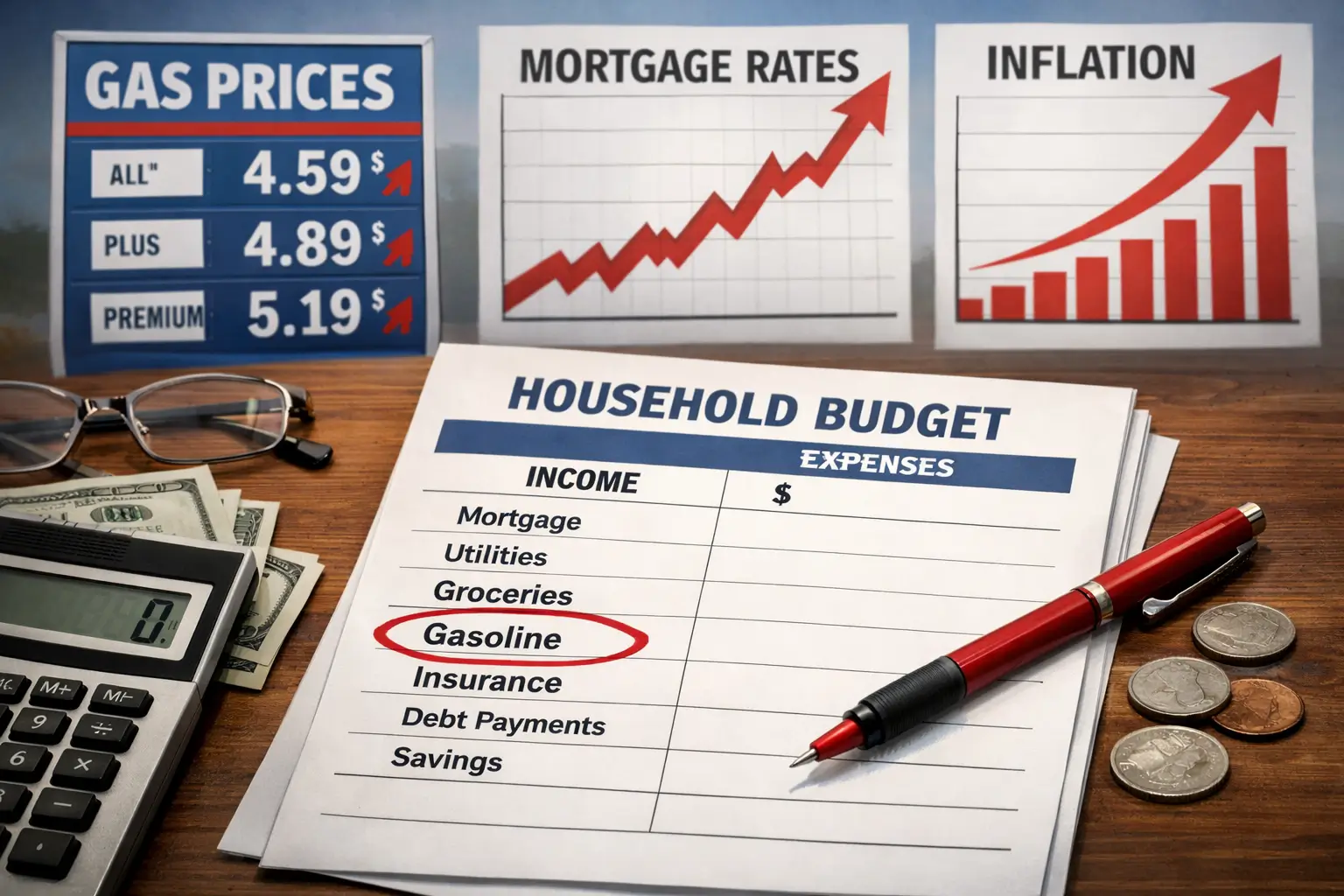
Costs just jumped again, and relief may take longer than expected.
Inflation accelerated to about 3.3% year-over-year in March 2026, gasoline prices surged more than 20% in one month, and mortgage rates climbed back above 6% as of 04/17/2026. Consumer sentiment also fell to one of its lowest readings on record.
The shift matters because rate cuts depend on falling inflation. If prices stay firm, borrowing costs will remain high — and household budgets will stay under pressure.
Here are the three signals households should watch right now.
---
Inflation Is Resetting the Rate Timeline
The March inflation report, released 04/10/2026, showed price growth picking up again after earlier signs of cooling.
That change resets expectations for interest rates. Policymakers typically wait for steady declines in inflation before lowering borrowing costs. A stronger inflation trend pushes that timeline further out.
Recommended reading: Next CPI Report Could Shift Rate Cut Expectations in 2026
What this means now:
If inflation remains near 3%, interest rate cuts will likely be delayed into late 2026.
---
## Mortgage Rates Are Keeping Housing Expensive
Mortgage rates moved back above 6% in April 2026, reversing earlier declines.
That shift immediately raises monthly payments and reduces buying power. Higher rates also discourage refinancing and slow home purchases.
Housing is the largest expense for most households, so rate changes quickly reshape financial decisions.
What this means now:
If mortgage rates stay above 6%, housing activity will likely remain slow through mid-2026.
Gas Prices Are the Fastest Warning Signal
Gasoline prices increased more than 20% month-over-month in March 2026, according to federal energy data released 04/15/2026.
Fuel costs move quickly and are visible to households every week. When prices rise sharply, spending usually shifts. Families cut back on travel, dining, and discretionary purchases to absorb higher transportation costs.
Rising fuel prices also influence inflation expectations, which can keep interest rates higher than anticipated.
What this means now:
If gasoline prices continue rising into summer, inflation could stay stubborn — delaying financial relief.
Households should watch these signals closely. If inflation and fuel costs remain elevated, interest rate cuts could be pushed further into late 2026, extending the period of expensive borrowing.
---
FAQ — Financial Signals Households Should Watch
Why could rate cuts be delayed in 2026?
Because inflation is still rising on a monthly basis. Policymakers typically wait for sustained declines before lowering interest rates.
What number matters most for household budgets right now?
Monthly inflation readings. They directly influence borrowing costs, wages, and everyday expenses.
Why are mortgage rates still above 6%?
Mortgage rates reflect inflation expectations and monetary policy. Persistent inflation keeps borrowing costs elevated.
How do gas prices affect household finances?
They increase transportation costs immediately and can raise prices for food and goods through higher shipping expenses.
---