Economy
Rising Rents Threaten to Delay Rate Cuts Again
Housing costs are climbing as inflation risks return
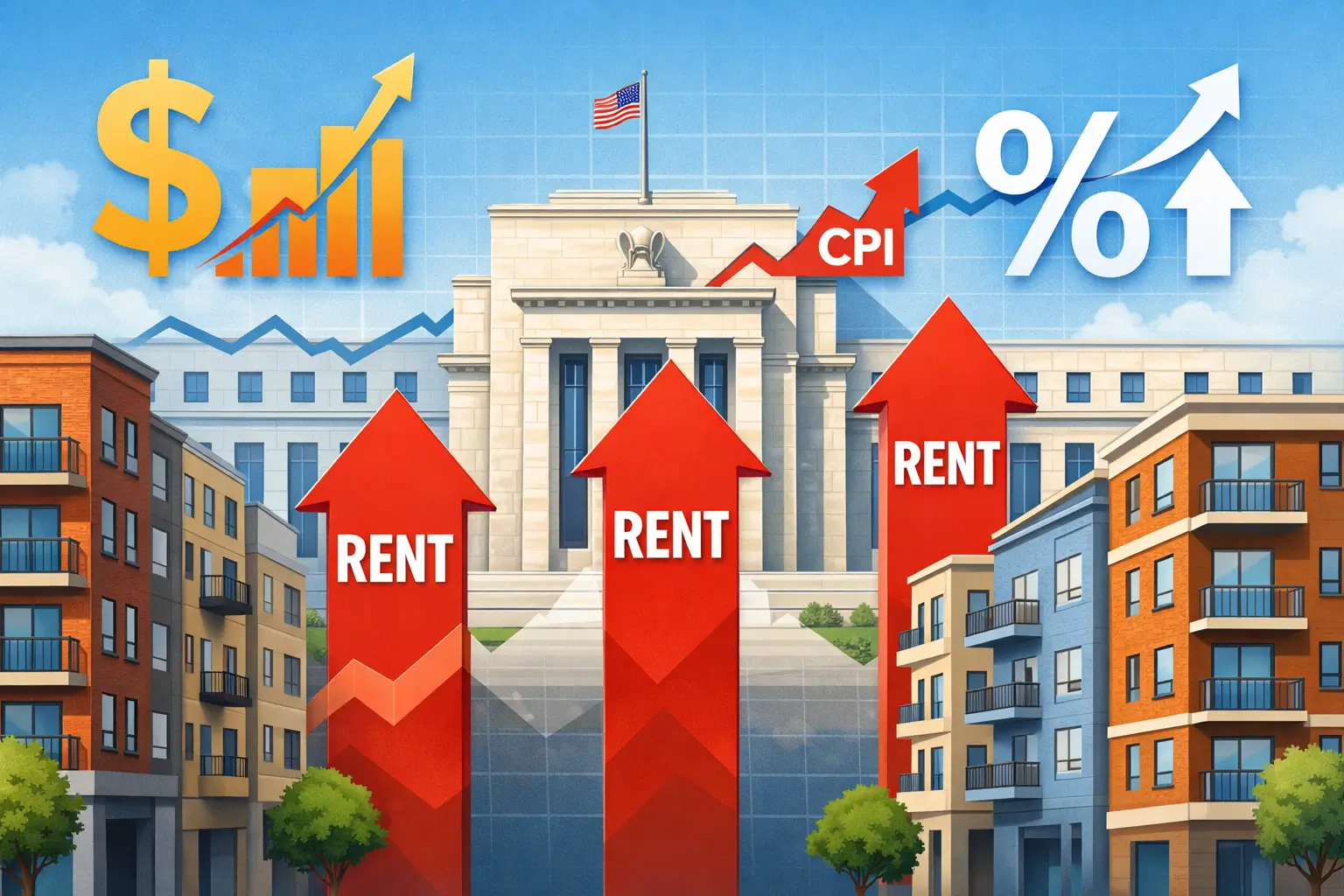
Rent inflation is rising again — and rate cuts may arrive later than markets expect.
Housing costs remain stubborn even as home sales slow. That shift is keeping inflation elevated and forcing policymakers to rethink the timing of monetary easing in 2026.
---
Rent Inflation Is Climbing — And It’s Holding Inflation Up
Shelter costs remain the largest driver of inflation in the United States. In March 2026, shelter prices rose 3.0% year over year, maintaining pressure on overall consumer prices.
Housing represents roughly one-third of the Consumer Price Index, making rent trends critical for the Federal Reserve’s policy path. When rents stay high, inflation becomes harder to reduce.
Mortgage rates continue to keep buyers on the sidelines. As of 04/15/2026 (ET), the average 30-year fixed mortgage rate remained near 6.3% to 6.4%, limiting affordability for many households.
Instead of buying homes, more families are staying in rentals longer. That shift is sustaining demand in the rental market, even without strong economic growth.
---
Supply Is Tight — And That Pressure Isn’t Fading
Housing supply remains constrained despite slower sales activity.
Millions of homeowners secured mortgage rates below 4% earlier in the decade. Selling now would require borrowing at much higher rates, creating a powerful incentive to stay put and reducing the number of homes available.
New construction is also slowing. Forecasts indicate multifamily housing starts will decline about 5% in 2026, limiting the flow of new rental units into the market.
The result is a persistent shortage. Demand has cooled, but supply has not caught up, keeping rents elevated across many regions.
---
Why This Matters Now for the Fed and the Economy
Housing costs are becoming the deciding factor in the inflation outlook.
In March 2026, overall inflation rose to 3.3% year over year, up from 2.4% in February, signaling renewed price pressure. Shelter costs were a key contributor to that increase.
For the Federal Reserve, this creates a policy dilemma. Cutting rates too early could allow inflation to rebound, while waiting longer risks slowing economic growth.
For households, the impact is immediate. Rising rents reduce disposable income and limit spending, increasing the risk of weaker consumer demand later in 2026.
If rent inflation remains above current levels through midyear, the timeline for interest rate cuts could shift again — and markets may need to adjust expectations quickly.
---
FAQ
Why are rent prices rising again in 2026?
Limited housing supply, elevated mortgage rates, and delayed homebuying demand are keeping more households in the rental market.
How do rising rents affect inflation?
Shelter costs are the largest component of inflation. Persistent rent growth can keep overall inflation elevated.
Could rising rents delay Federal Reserve rate cuts?
Yes. Sustained housing costs can prevent inflation from falling to target levels, delaying monetary easing.
What should investors watch next?
Upcoming CPI releases and housing supply trends will be key signals for the rate-cut timeline.
---
Sources and Further Reading
- Consumer Price Index Summary — Bureau of Labor Statistics — 04/10/2026 — https://www.bls.gov
- Primary Mortgage Market Survey — Freddie Mac — 04/15/2026 — https://www.freddiemac.com
- Housing Market Outlook — National Association of Home Builders — 02/17/2026 — https://www.nahb.org
---