Markets
3 Signals Investors Are Watching This Week
Oil above $100, inflation risks, and Fed policy expectations are shaping market sentiment
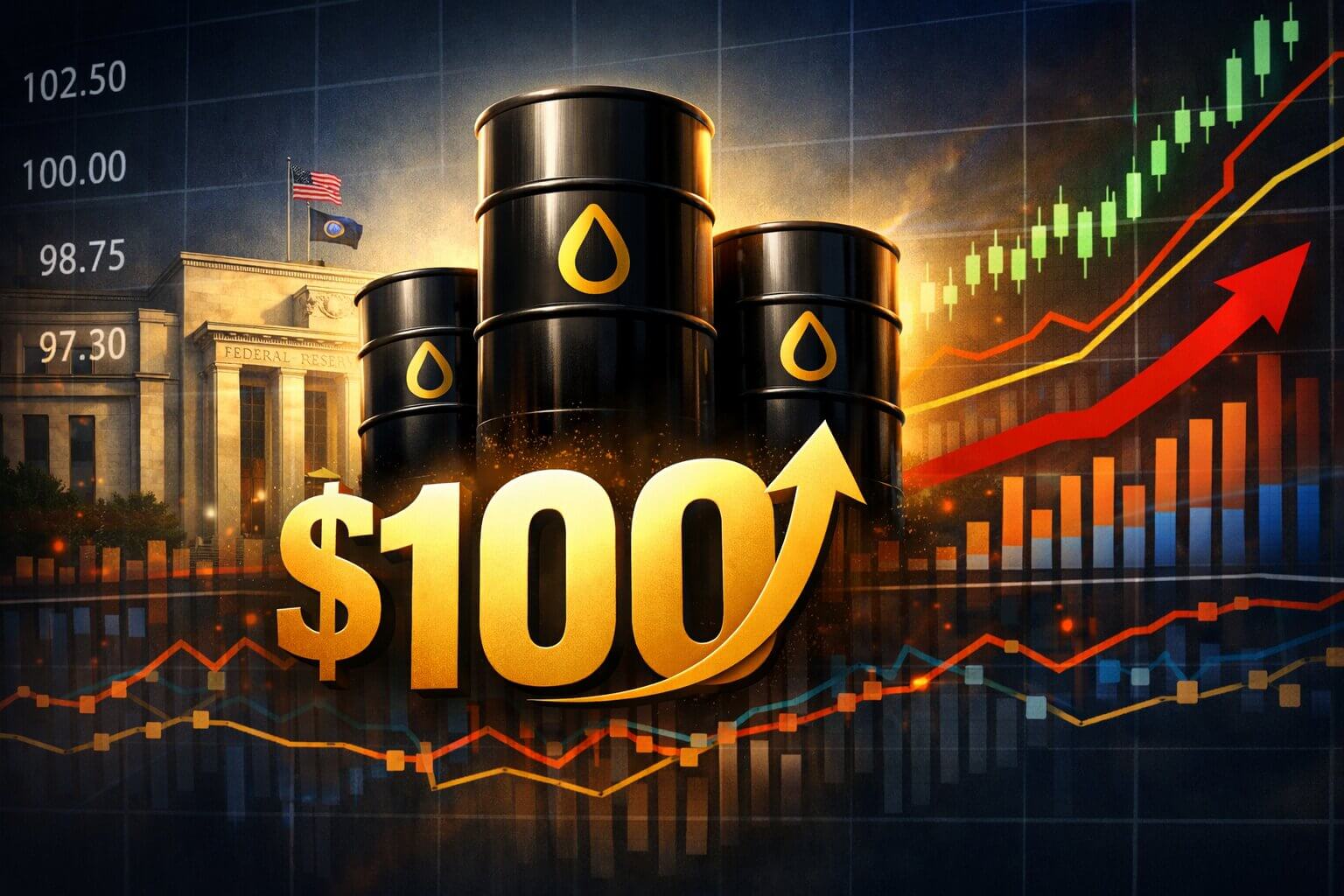
A sharp rise in oil prices, renewed inflation concerns, and uncertainty around Federal Reserve policy are dominating investor attention this week.
As of mid-March 2026, crude prices have climbed above $100 per barrel following escalating geopolitical tensions in the Middle East. The move has revived concerns about energy-driven inflation just as markets had begun anticipating interest rate cuts later in the year.
For investors, the combination of oil prices, inflation expectations, and monetary policy signals forms a closely linked triangle that could determine market direction in the weeks ahead.
Oil Back Above $100 Rekindles Inflation Concerns
Energy markets rarely move in isolation. When crude prices spike, the ripple effects can quickly reach transportation costs, manufacturing input prices, and ultimately consumer inflation.
Oil climbing above the $100 threshold in March 2026 has prompted renewed debate among economists about whether inflation could prove more persistent than expected.
Historically, energy shocks have been a key driver of short-term inflation spikes. Higher fuel costs can filter through supply chains and raise costs across industries—from logistics to consumer goods production.
For investors, the question is not simply whether oil stays elevated, but whether higher energy prices begin feeding into broader inflation measures in the months ahead.
What It Means for Federal Reserve Rate Cuts
Inflation Expectations and Monetary Policy
Heading into 2026, markets had widely expected the Federal Reserve to begin easing policy later in the year as inflation gradually cooled.
However, energy-driven inflation risk complicates that outlook.
If rising oil prices push inflation expectations higher, policymakers may be forced to maintain restrictive interest rates longer than markets previously anticipated. The Federal Reserve has repeatedly emphasized that it needs sustained evidence that inflation is moving toward its long-term target before reducing borrowing costs.
As a result, energy prices have become an indirect but powerful influence on rate-cut expectations.
Equity Markets and Earnings Sensitivity
How Energy Costs Filter Into Corporate Margins
Equity investors are also watching how higher oil prices might affect corporate earnings.
Energy costs play a significant role in transportation, manufacturing, and global supply chains. When fuel becomes more expensive, corporate margins can compress—particularly for companies with limited pricing power.
Rising energy prices also affect market sentiment more broadly. If investors believe inflation could reaccelerate, equity valuations may come under pressure as expectations for lower interest rates are pushed further into the future.
What Investors Are Watching This Week
With uncertainty rising, investors are focusing on three key signals during the week of March 16, 2026:
- Oil price stability: Whether crude remains above $100 or begins to retreat
- Inflation data trends: Signs that energy prices are feeding into broader inflation measures
- Federal Reserve messaging: Any policy signals that could shift expectations around rate cuts
Taken together, these indicators offer a real-time snapshot of how macroeconomic forces are interacting with financial markets.
For portfolio managers and institutional investors, the coming weeks may reveal whether the recent energy shock proves temporary—or becomes a renewed inflation challenge for the global economy.
---
FAQ
Why are oil prices important for financial markets?
Oil is a critical input across the global economy. When prices rise sharply, they can increase production costs, transportation expenses, and ultimately consumer prices.
How could higher oil prices affect Federal Reserve policy?
If rising energy costs push inflation higher, the Federal Reserve may delay interest rate cuts to prevent inflation from accelerating.
Do oil shocks usually impact stock markets?
Yes. Higher energy prices can reduce corporate profit margins and raise inflation expectations, both of which can weigh on equity valuations.
What macro indicators are investors watching this week?
Investors are closely tracking oil price trends, inflation data releases, and signals from the Federal Reserve regarding interest rate policy.
---
Sources and Further Reading
- Oil Climbs Above $100 Amid Middle East Tensions — Reuters — 03/14/2026 — https://www.reuters.com
- U.S. Consumer Price Index Summary (February 2026) — U.S. Bureau of Labor Statistics — 03/12/2026 — https://www.bls.gov
- Federal Reserve Policy Statement and Economic Outlook — Federal Reserve — 01/29/2026 — https://www.federalreserve.gov
- Oil Shocks and Inflation Transmission — Federal Reserve Bank of Dallas — 02/2026 — https://www.dallasfed.org
- Energy Prices and Corporate Profit Margins — Bloomberg — 03/2026 — https://www.bloomberg.com
- Global Oil Market Report — International Energy Agency — 03/2026 — https://www.iea.org
---