Markets
S&P 500 Erases $1 Trillion in a Day as Oil Shock Hits Markets
A sudden surge in energy prices and geopolitical risk forces investors into defensive mode, reshaping expectations for inflation and interest rates
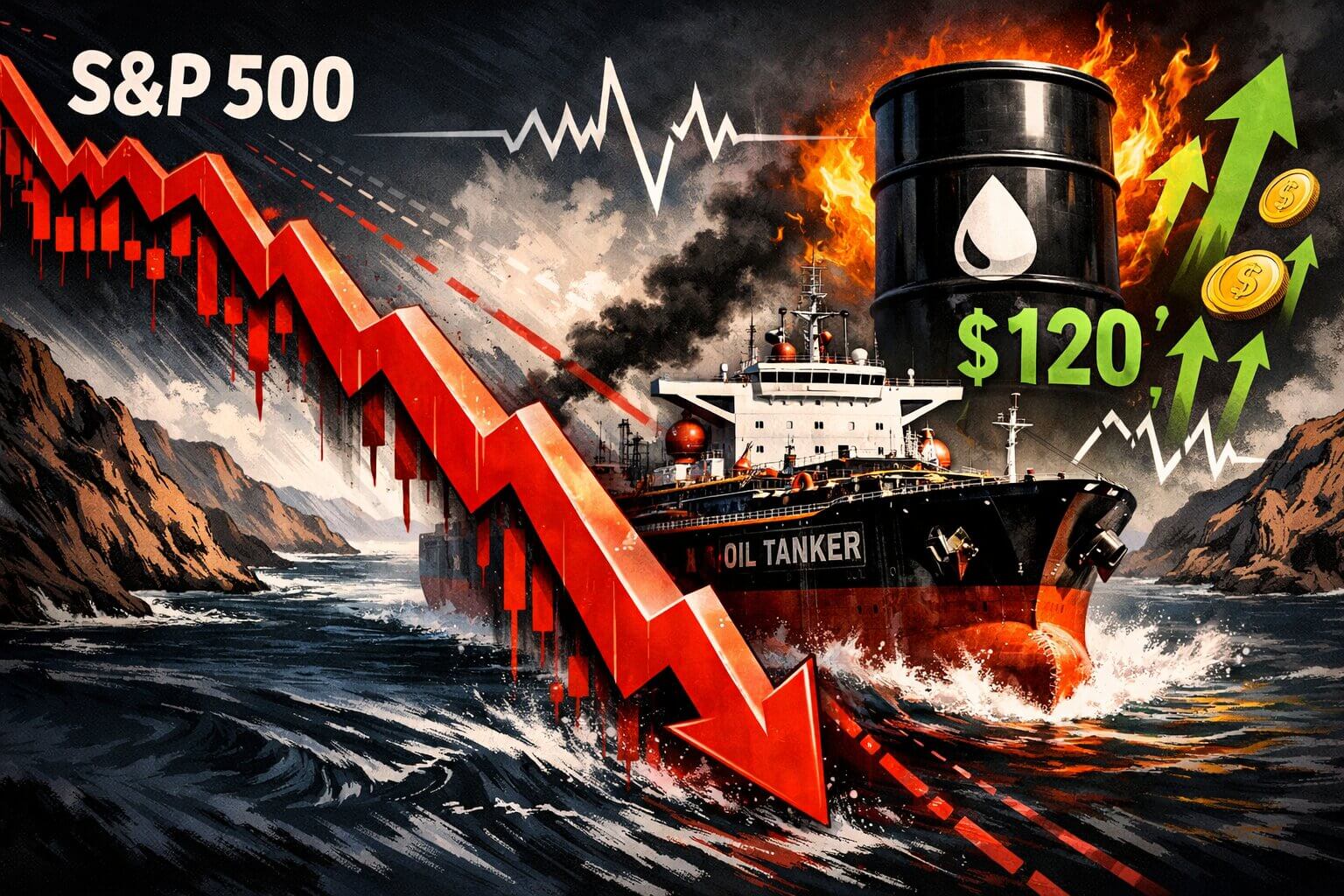
Markets rarely move this fast without a reason — and on March 27, 2026, investors got one. In a single trading session, the S&P 500 wiped out roughly $1 trillion in market value, a jolt that rippled far beyond Wall Street. The trigger wasn’t a weak earnings report or a surprise economic number. It was fear — specifically, fear that a geopolitical shock could reignite inflation just as markets were hoping for relief.
That shift in mood matters more than the headline number. When sentiment turns this quickly, it signals that investors are no longer focused on growth — they are focused on risk.
Oil Above $110 Reignites Inflation Anxiety
The spark came from the energy market. Crude oil prices climbed above $110 per barrel on March 26, 2026 (ET), after escalating tensions in the Middle East raised concerns about potential disruptions to shipping through the Strait of Hormuz. Even the possibility of constrained supply was enough to send shockwaves through global markets.
Energy costs sit at the heart of inflation dynamics. When oil jumps suddenly, businesses face higher transportation and production expenses, and consumers feel the pressure almost immediately. That reality forced investors to reconsider a key assumption that had been supporting stocks: the idea that interest rate cuts were coming soon.
Instead, expectations shifted. Traders began pricing in the possibility that the Federal Reserve could keep borrowing costs elevated for longer — or delay easing entirely if inflation proves stubborn. In markets, timing is everything, and the timeline suddenly moved.
A Market Turning Defensive — and Why It Matters Now
The $1 trillion drop is less about fundamentals and more about positioning. Investors are rotating into safer assets, volatility is climbing, and major U.S. indices have now recorded five consecutive weekly declines as of March 27, 2026 — the longest losing streak since 2022.
That pattern signals tightening financial conditions. When risk premiums rise, capital becomes more cautious, credit becomes more expensive, and economic momentum can slow. It’s not a recession signal by itself, but it is often an early warning sign that growth could soften.
The bigger risk is the feedback loop now forming between energy markets and financial markets. If oil prices stay elevated, inflation pressures could persist, forcing policymakers to remain restrictive. If tensions ease and energy prices stabilize, confidence could return just as quickly.
For investors, the next move may depend less on corporate earnings — and more on geopolitics.
---
FAQ
Why did the S&P 500 lose about $1 trillion in one day?
The decline reflected a rapid shift in investor sentiment driven by rising geopolitical tensions and oil prices above 110 dollars per barrel, which increased inflation risks and reduced expectations for interest rate cuts.
Does a large one-day market loss mean the economy is weakening?
Not necessarily. It often signals tighter financial conditions and rising uncertainty, which can slow growth but does not automatically indicate recession.
Why are oil prices so important for stock markets?
Higher oil prices increase costs across the economy and can sustain inflation, making central banks less likely to cut interest rates — a negative factor for equity valuations.
What should investors watch next?
Key signals include oil prices, inflation data releases, Federal Reserve policy guidance, and developments in Middle East tensions.
---
Sources and Further Reading
- Global Stocks Drop as Oil Surges on Middle East Tensions — Reuters — 03/27/2026 — https://www.reuters.com
- Oil Tops $110 as Strait of Hormuz Risks Escalate — Bloomberg — 03/26/2026 — https://www.bloomberg.com
- U.S. Stocks Post Fifth Weekly Loss as Volatility Rises — The Wall Street Journal — 03/27/2026 — https://www.wsj.com
- Fed Officials Signal Caution on Rate Cuts Amid Inflation Risks — Reuters — 03/26/2026 — https://www.reuters.com
- Cboe Volatility Index Climbs on Geopolitical Concerns — Cboe Global Markets — 03/27/2026 — https://www.cboe.com
- Energy Prices and Inflation Expectations — U.S. Energy Information Administration — 03/2026 — https://www.eia.gov
---