Markets
Stocks Face New Risk as Oil Delays Rate Cuts
UBS downgrade signals tighter policy lasting longer into 2026
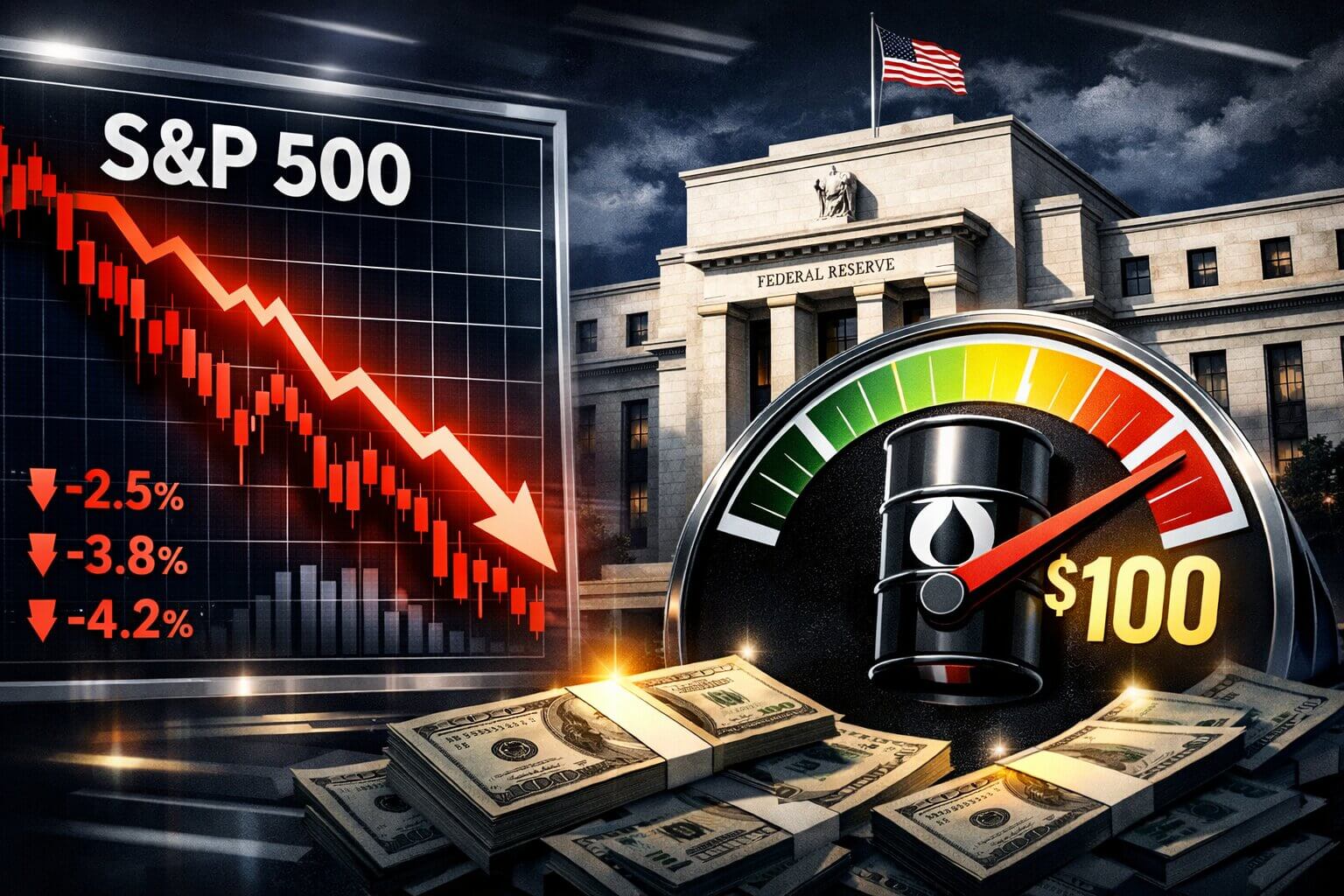
Stocks are repricing risk as oil keeps inflation elevated.
On 04/07/2026, UBS cut its outlook for U.S. equities, lowering its year-end S&P 500 target to 7,500 from 7,700 and its mid-year target to 7,000 from 7,300. The move reflects a deeper shift in market expectations after oil surged above $100 per barrel following the conflict that began on 02/28/2026.
The downgrade is not about one forecast. It signals that investors must adjust to higher rates lasting longer than expected.
---
Oil Is Driving the Market Reset
Energy prices are now the central risk in markets.
Since the conflict started, the S&P 500 has fallen about 3.9%, and the index is coming off its worst quarter since 2022. That drop shows how quickly macro risk is translating into equity performance.
Higher oil prices feed directly into inflation. Transportation costs rise. Production costs follow. Consumers feel the pressure. That chain reaction keeps inflation from falling fast enough for policymakers to ease.
The result is simple: the path to lower interest rates just became longer.
For investors, this means volatility is no longer the main issue. The new challenge is persistent inflation driven by energy.
---
Rate Cuts Are Moving Later — And That Changes Valuations
Markets entered 2026 expecting rate cuts by mid-year.
That assumption is now shifting. UBS expects the Federal Reserve to delay easing until September and December 2026, extending the period of restrictive financial conditions.
Higher rates reduce the present value of future earnings. They also increase borrowing costs for businesses and households. That combination typically slows earnings growth and limits stock market upside.
This is why the forecast revision matters.
When major institutions cut index targets because of energy and policy risk, it usually signals tighter liquidity ahead. Investors should expect slower gains, narrower trading ranges, and more sensitivity to inflation data.
---
The Strategic Takeaway for Investors
The market narrative has changed.
What was once a “soft landing and rate cuts” story is now a “persistent inflation risk” story. Until oil prices stabilize, monetary policy is likely to remain restrictive.
That shift resets expectations for equities in 2026.
The risk is not a recession. The risk is that rates stay high longer than markets planned — and valuations adjust accordingly.
Forward-looking investors should watch one variable above all others: energy prices.
---
FAQ
Why did UBS cut its S&P 500 target on April 7, 2026?
UBS lowered its forecast due to sustained oil prices above $100 per barrel, which increase inflation risk and delay expected Federal Reserve rate cuts.
How do higher oil prices affect interest rates?
Higher energy costs push inflation higher, making central banks more cautious about lowering rates.
What does delayed rate cuts mean for stocks?
Later rate cuts extend tight financial conditions, reducing valuation multiples and slowing earnings growth.
Is this a temporary market reaction?
No. The change reflects a structural repricing of risk tied to energy-driven inflation.
---