Markets
Stocks Face New Risk as Oil Threat Shakes Futures
Iran tensions and strong jobs data now threaten rate-cut timing
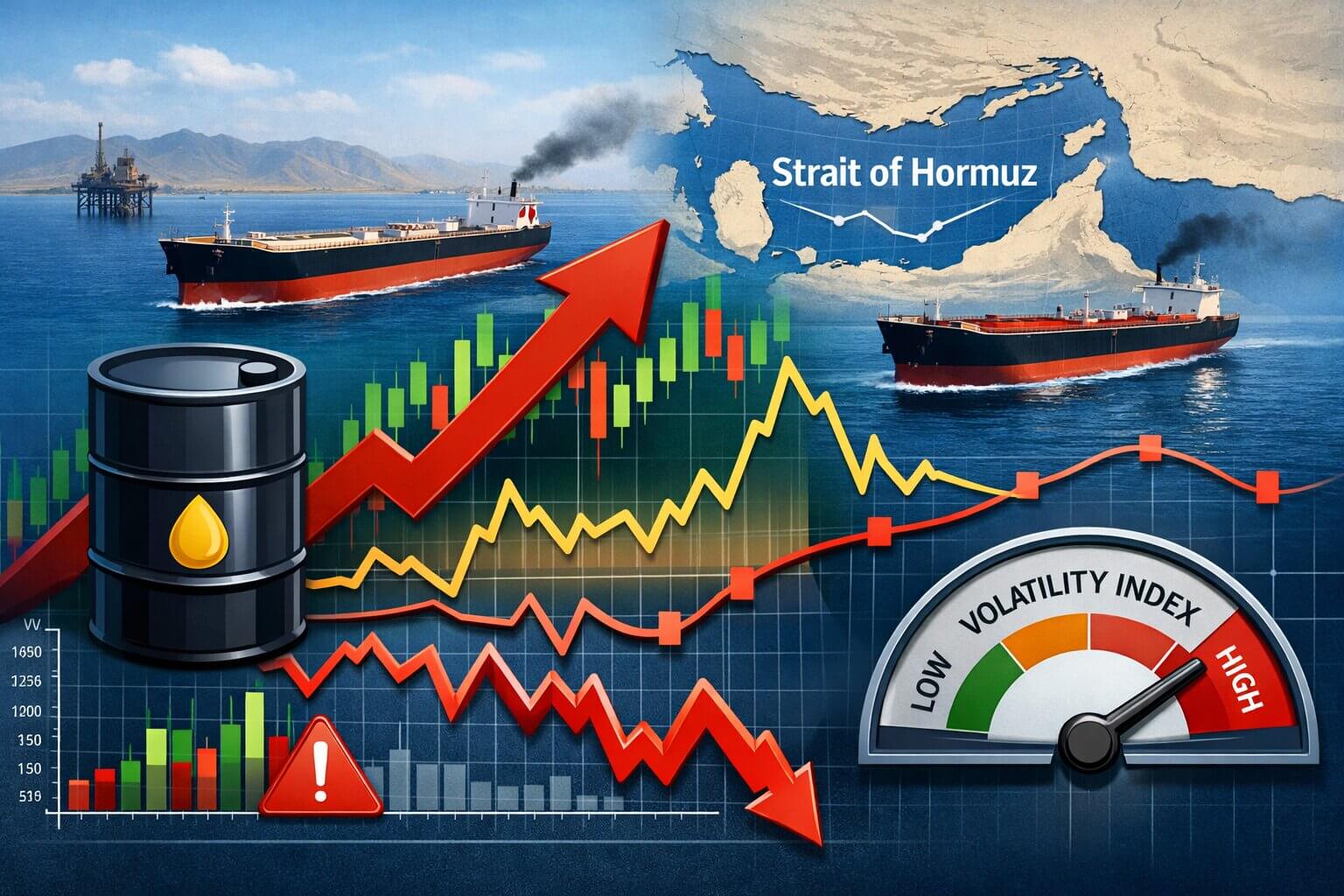
Stock futures are swinging as oil risk suddenly rises.
A weekend warning from Washington about possible military strikes tied to shipping disruptions in the Strait of Hormuz pushed investors into risk-control mode before markets opened on 04/06/2026.
Futures tied to the S&P 500—tracked through SPY—moved between gains and losses overnight. That volatility reflects a fast shift in expectations. Traders are now pricing in higher inflation risk at the same time the Federal Reserve appears less likely to cut rates soon.
Search interest in “stock futures” and “SPY futures” surged because these contracts react first. They translate geopolitical headlines into market direction before the cash market opens.
---
Why Futures Are Moving Now
The trigger is simple: oil risk and interest-rate risk hit at the same time.
The Strait of Hormuz carries roughly 20% of global oil shipments. Even a temporary disruption can push energy prices higher within hours. Higher oil prices raise inflation risk immediately—and that forces markets to rethink the timing of rate cuts.
The second shock came from the labor market.
On 04/04/2026, U.S. job growth came in stronger than expected, reinforcing the idea that the economy remains resilient despite high borrowing costs.
That combination matters now.
Strong growth reduces the urgency for policy easing. Rising oil prices increase the risk that inflation stays elevated. Together, they delay the path to lower interest rates.
This is why futures volatility is rising. Markets are adjusting to the possibility that rates stay higher for longer.
---
Why This Matters for Markets
Short-term risk has increased, and positioning is becoming more reactive to headlines.
If oil prices keep rising, inflation expectations could move higher within days. That would push Treasury yields up and pressure equity valuations—especially growth stocks that depend on lower rates.
At the same time, markets remain highly sensitive to any sign of de-escalation. A confirmed reopening of shipping routes could quickly stabilize futures and restore risk appetite.
This week is a decision window.
Markets are waiting for confirmation—either escalation or relief.
---
What Happens Next
Investors are watching four signals closely:
1) Strait of Hormuz status — decision window around 04/07/2026
Shipping access will determine whether energy risk fades or spreads.
2) U.S. CPI inflation data — scheduled this week
This report will test whether energy costs are feeding into broader inflation.
3) Federal Reserve messaging
Any signal that rate cuts are delayed could increase volatility.
4) Oil price direction
Energy remains the fastest transmission channel from geopolitics to equities.
Right now, futures are acting as an early warning system—not noise.
---
FAQ
Why are stock futures volatile right now?
Geopolitical tension in the Strait of Hormuz and strong U.S. job growth on 04/04/2026 both reduce the likelihood of near-term rate cuts.
How does oil risk affect stocks?
Higher oil prices increase inflation risk, which can delay Federal Reserve easing and pressure stock valuations.
Why are investors focused on CPI this week?
Inflation data will determine whether recent energy price increases are temporary or persistent.
What would calm markets quickly?
A confirmed reopening of shipping routes or weaker inflation data could stabilize futures and reduce volatility.
---
Sources and Further Reading
- U.S. Warns Iran Over Strait of Hormuz Shipping — Reuters — 04/06/2026 — https://www.reuters.com
- Employment Situation Summary — U.S. Bureau of Labor Statistics — 04/04/2026 — https://www.bls.gov
- Oil Prices Rise as Middle East Tensions Escalate — Bloomberg — 04/06/2026 — https://www.bloomberg.com
---