Personal Finance
Why Credit Card Debt Keeps Growing in 2026
Understand the forces driving debt and how they affect financial stability
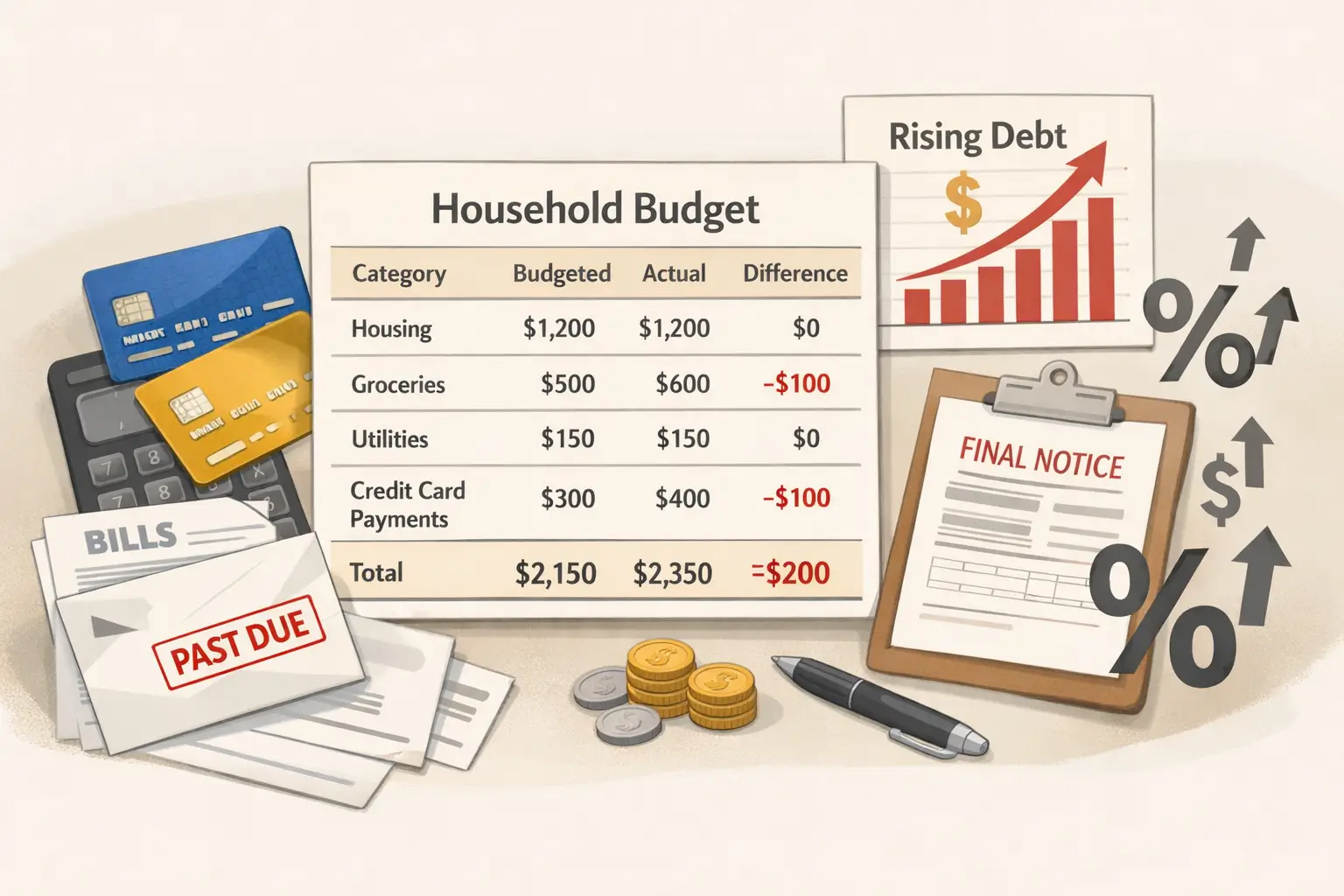
Many people are wondering why credit card debt keeps rising even though inflation has slowed. This article explains the key reasons behind growing balances, how high borrowing costs affect household finances, and what signals to watch going forward.
Credit card debt has reached record levels, exceeding $1.27 trillion as of Q4 2025, while average credit card interest rates remain near 21% as of early 2026. These conditions make borrowing more expensive and increase financial pressure on households.
Understanding this trend helps readers make better financial decisions and recognize early warning signs in the broader economy. When debt grows faster than income, spending becomes more fragile, and financial risk increases over time.
---
What Is Driving Credit Card Debt Growth
Credit card debt is rising because financial conditions remain tight, even as inflation slows. Several structural forces explain why balances continue to increase.
Interest Rates Remain Elevated
Interest rates rose sharply during the Federal Reserve tightening cycle between 2022 and 2024. Although rate increases have paused, borrowing costs remain high compared with the years before the pandemic.
Credit card rates typically adjust slowly. That means households often continue paying high interest long after inflation begins to decline.
Higher rates increase minimum payments. Larger payments reduce available cash. Less cash leads to more borrowing.
This cycle can accelerate debt growth without any major change in spending behavior.
---
Essential Costs Still Take a Larger Share of Income
Many household expenses remain elevated.
Housing, food, healthcare, and insurance costs continue to absorb a larger portion of income than they did before 2020. These expenses are difficult to reduce quickly, which makes credit cards a common tool for managing cash flow.
This shift changes how credit is used.
Instead of financing optional purchases, credit is increasingly used to cover necessities. That type of borrowing tends to last longer and is harder to repay.
---
Pandemic Savings Have Largely Disappeared
During the pandemic, households built up savings from stimulus payments and reduced spending.
Those savings provided a financial buffer when inflation began rising. But by 2025, most excess savings had been depleted.
As savings declined, many households returned to credit cards to manage routine expenses.
This transition created a new financial environment. Borrowing returned to normal levels, but interest rates were much higher than before.
---
How Rising Debt Affects Household Financial Stability
Growing credit card balances change how households manage risk and plan for the future.
Interest Payments Reduce Financial Flexibility
When interest rates are high, a larger share of each payment goes toward interest rather than reducing the balance.
This slows progress toward becoming debt-free and increases total borrowing costs.
Over time, households may experience:
Lower savings
Reduced emergency reserves
Greater reliance on credit
These changes make finances more sensitive to unexpected expenses or income disruptions.
---
Delinquencies Are Gradually Increasing
Late payments on credit card balances have risen steadily since 2024, especially among lower-income households.
This trend is important because delinquencies often signal early financial stress.
They tend to increase before broader economic slowdowns begin.
Monitoring delinquency rates can help households, lenders, and investors identify potential risks before they spread across the economy.
---
Why Credit Card Debt Matters for the Economy
Consumer spending accounts for roughly two-thirds of U.S. gross domestic product as of 2026. That makes household finances one of the strongest drivers of economic growth.
When debt rises faster than income, spending becomes more sensitive to financial shocks.
Small disruptions — such as job loss, higher rent, or medical expenses — can quickly reduce spending.
Rising Debt Can Lead to Tighter Lending Standards
Banks adjust lending policies based on borrower risk.
If delinquencies continue rising, lenders may respond by:
Reducing credit limits
Increasing interest margins
Tightening approval standards
These changes can slow economic activity by limiting access to credit. They can also affect industries that depend heavily on consumer spending, including retail, housing, and travel.
---
Practical Indicators to Watch
Tracking a few key indicators can help readers understand whether financial stress is increasing or stabilizing.
Credit Card Delinquency Rates
A steady increase suggests growing financial pressure.
Credit Utilization Levels
Higher utilization often indicates reduced financial flexibility.
Personal Savings Rate
Declining savings can signal greater dependence on borrowing.
Wage Growth Compared With Living Costs
When wages grow more slowly than expenses, debt levels usually rise.
Watching these indicators provides early insight into changing financial conditions.
---
Risks and Limitations of Rising Debt
Higher credit card balances do not automatically lead to a recession.
Economic growth can continue even as debt increases. However, persistent financial pressure raises vulnerability to downturns.
Common risks include:
Reduced consumer spending
Higher default rates
Tighter lending conditions
Slower economic growth
These risks typically build gradually rather than suddenly. Recognizing the early signs allows households and investors to prepare more effectively.
---
Credit Card Debt Signals Financial Pressure
Credit card debt is rising because borrowing has become more necessary and more expensive.
The trend reflects tighter financial conditions rather than stronger spending power.
For households, the key lesson is clear. High-interest debt reduces financial flexibility and increases long-term risk.
For investors and policymakers, rising debt levels serve as an early warning signal. They highlight pressure building beneath otherwise stable economic data.
Watching debt trends, savings levels, and delinquency rates can help individuals make smarter financial decisions and anticipate changes in the broader economy.
---
FAQ
Why is credit card debt still rising if inflation is falling?
Because many essential expenses remain high, and borrowing costs are still elevated compared with previous years.
What is considered a high credit card interest rate?
Rates near 21% are historically high and significantly increase the cost of carrying a balance.
Does rising credit card debt mean a recession is coming?
Not necessarily. However, sustained increases in debt and delinquencies can signal financial stress that may slow economic growth.
How can households reduce risk from credit card debt?
Focus on paying down high-interest balances, maintaining emergency savings, and monitoring essential spending.
---