Economy
Will the Fed Cut Rates in 2026? A Simple Investor Guide
Learn the signals that shape rate decisions and market moves
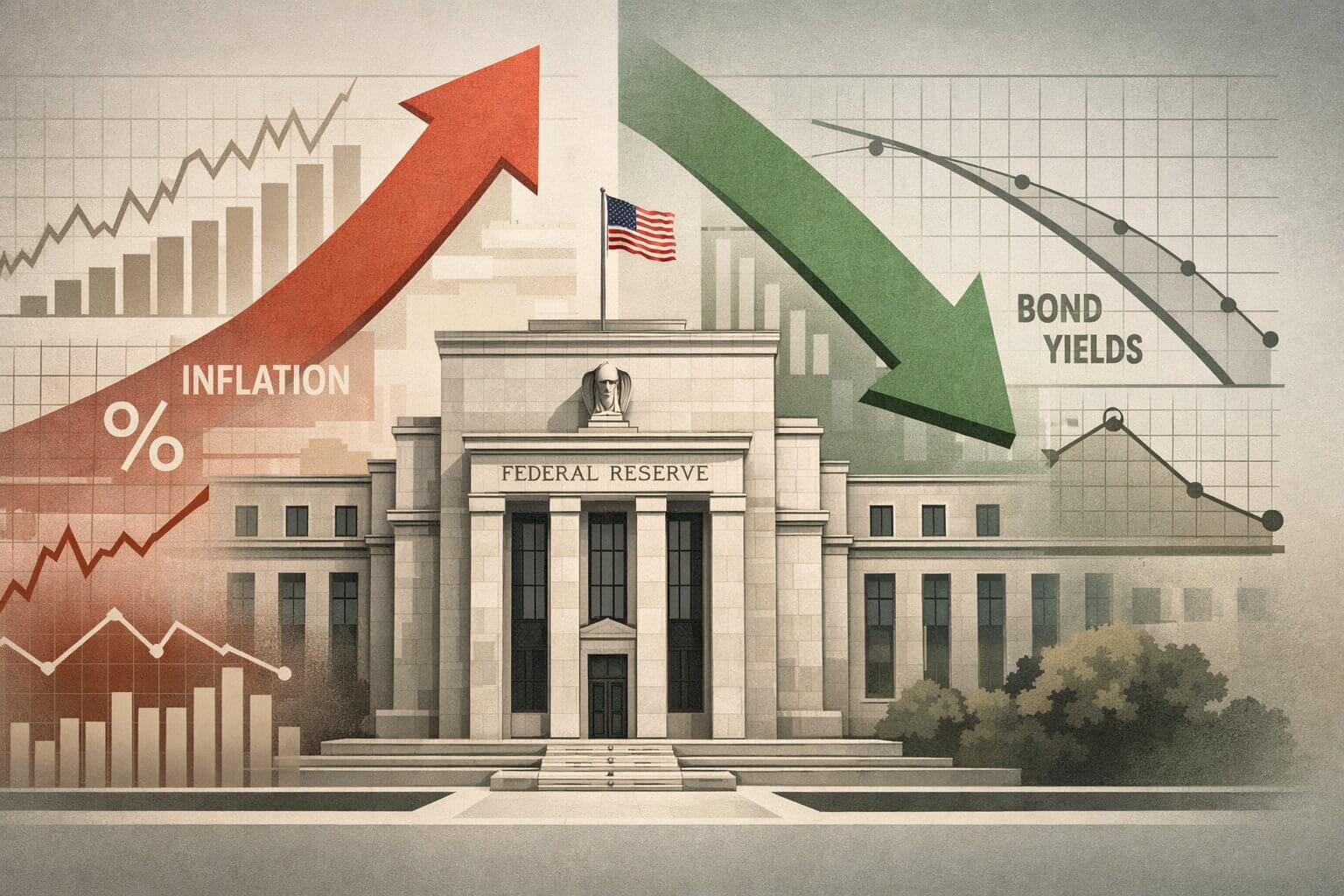
Many investors want a clear answer to one question: Will the Federal Reserve cut interest rates in 2026?
The reality is that there is no fixed schedule. Rate cuts happen only when economic conditions allow them.
This guide explains how the Federal Reserve decides when to cut rates, what economic signals matter most, and how those decisions affect investments. Understanding this process helps investors make better decisions about bonds, stocks, housing, and cash — even when policy timing remains uncertain.
As of the Federal Reserve meeting on 03/18/2026 (ET), policymakers held the federal funds rate at 3.50%–3.75%, noting continued inflation risks and elevated uncertainty. That decision highlights a core principle of modern monetary policy: data drives decisions, not predictions.
---
Why Rate-Cut Expectations Change So Often
Interest rate forecasts shift because the economy rarely moves in a straight line. Growth, inflation, and global risks can all change quickly.
Understanding these forces helps investors interpret policy signals with more confidence.
Inflation Is Improving but Still Elevated
The Federal Reserve targets 2% inflation over the long run. Inflation has declined from recent peaks, but key categories such as housing and services remain persistent.
When inflation stays above target, policymakers usually keep interest rates higher for longer. Cutting too early could cause inflation to rise again.
For investors, steady progress toward the 2% goal is the clearest signal that rate cuts are becoming more likely.
The Labor Market Remains Strong
Employment conditions continue to support consumer spending and economic growth. As of early 2026, unemployment remains low and job creation continues.
A strong labor market reduces pressure on the Federal Reserve to cut rates quickly. Policymakers typically begin easing only after clear signs of economic slowdown.
In practical terms, rising unemployment often signals that rate cuts are approaching.
Global Events Still Affect Inflation
Geopolitical tensions can push energy prices higher or disrupt supply chains. These shocks can quickly increase inflation and delay policy easing.
Investors do not need to predict these events. Instead, they should watch how markets react to them — especially in energy and transportation costs.
---
How the Federal Reserve Decides When to Cut Rates
The Federal Reserve evaluates a set of economic indicators before changing interest rates. These indicators provide a consistent framework for understanding policy decisions.
Learning them turns uncertainty into a manageable process.
Key Signals Investors Should Monitor
Inflation Reports
Monthly inflation data shows whether price growth is moving toward the 2% target.
Employment Trends
Unemployment, wage growth, and job openings reveal whether the economy is heating up or cooling down.
Economic Growth
Gross domestic product data indicates the overall strength of the economy.
Financial Conditions
Bond yields and credit markets influence borrowing costs across households and businesses.
Consumer Spending
Retail and service spending reflects household confidence and demand.
Monitoring these indicators regularly allows investors to anticipate policy shifts before official announcements.
---
How Interest Rates Affect Major Investments
Interest rates influence nearly every asset class. Understanding these relationships helps investors adjust portfolios more confidently.
Bonds
Bond prices usually rise when investors expect rate cuts. Yields fall as borrowing costs decline.
Because of this relationship, bond markets often react first to changes in Federal Reserve guidance.
Stocks
Lower interest rates can support higher stock valuations by reducing financing costs and increasing the value of future earnings.
However, the reason for rate cuts matters. If cuts occur during economic weakness, corporate profits may decline.
Housing
Mortgage rates closely follow long-term Treasury yields. Even small changes in rate expectations can affect affordability and demand.
In high-rate environments, housing activity typically slows. Expectations of future easing can stimulate refinancing and home purchases.
Cash and Short-Term Investments
Higher policy rates increase returns on savings accounts and money market funds.
When rates remain elevated, conservative investors benefit from steady income with relatively low risk.
---
Possible Federal Reserve Scenarios for 2026
Instead of relying on one prediction, investors should consider multiple realistic outcomes.
This approach improves planning and reduces surprises.
Scenario 1: Gradual Rate Cuts Later in 2026
If inflation continues to decline and economic growth moderates, the Federal Reserve may begin reducing rates in the second half of the year.
This is a common baseline scenario among economists.
Scenario 2: Rates Stay Elevated
If inflation stabilizes above the 2% target or growth remains strong, policymakers may keep rates steady throughout 2026.
This outcome has become more plausible as the economy has remained resilient.
Scenario 3: Faster Cuts Due to Economic Slowdown
A sharp decline in employment or consumer spending could prompt earlier rate reductions.
While less likely under current conditions, this scenario remains an important risk to monitor.
---
Risks That Could Change the Rate Outlook
Interest rate paths can shift quickly when economic conditions change.
Several risks could alter Federal Reserve policy in 2026:
- Persistent inflation in housing or services
- Sudden increases in energy prices
- Unexpected economic slowdown
- Financial market instability
- Rapid productivity gains from technology
These risks do not guarantee policy changes, but they influence the timing and pace of decisions.
For investors, flexibility is more valuable than certainty.
---
What Investors Should Do Now
Investors do not need to predict the exact timing of rate cuts. Instead, they should build a process for monitoring economic signals and adjusting portfolios gradually.
A practical approach includes:
- Tracking monthly inflation and employment data
- Reviewing bond yields and credit conditions
- Maintaining diversified investments
- Preparing for multiple policy scenarios
This strategy reduces dependence on forecasts and improves long-term decision-making.
---
The Bottom Line
The Federal Reserve will cut interest rates only when inflation is under control and economic conditions justify it.
The exact timing of rate cuts in 2026 remains uncertain. However, the indicators that drive decisions are clear and consistent.
Investors who focus on those indicators — rather than predictions — are better prepared for market changes. Monitoring inflation, employment, and financial conditions provides a reliable framework for navigating uncertain monetary policy.
Understanding the process turns uncertainty into strategy.
---
FAQ
Will the Federal Reserve definitely cut rates in 2026?
No. Rate cuts depend on economic conditions, especially inflation and employment. Policymakers adjust policy based on data, not fixed timelines.
What is the most important signal for rate cuts?
Inflation is usually the primary driver. Sustained progress toward the 2% target increases the likelihood of policy easing.
How quickly do markets react to interest rate expectations?
Financial markets often react immediately to economic data and policy signals, sometimes months before official rate changes occur.
How should investors prepare for changing interest rates?
Diversification, regular monitoring of economic indicators, and flexible portfolio adjustments help manage interest rate risk.
---
Sources and Further Reading
- Federal Reserve Policy Statement — Federal Reserve — 03/18/2026 — https://www.federalreserve.gov/monetarypolicy/files/monetary20260318a1.pdf
- Consumer Price Index Summary — U.S. Bureau of Labor Statistics — 02/12/2026 — https://www.bls.gov/news.release/cpi.nr0.htm
- Employment Situation Summary — U.S. Bureau of Labor Statistics — 03/07/2026 — https://www.bls.gov/news.release/empsit.nr0.htm
- U.S. Economic Outlook — Congressional Budget Office — 02/2026 — https://www.cbo.gov/publication
- World Economic Outlook Update — International Monetary Fund — 01/2026 — https://www.imf.org/en/Publications/WEO
---