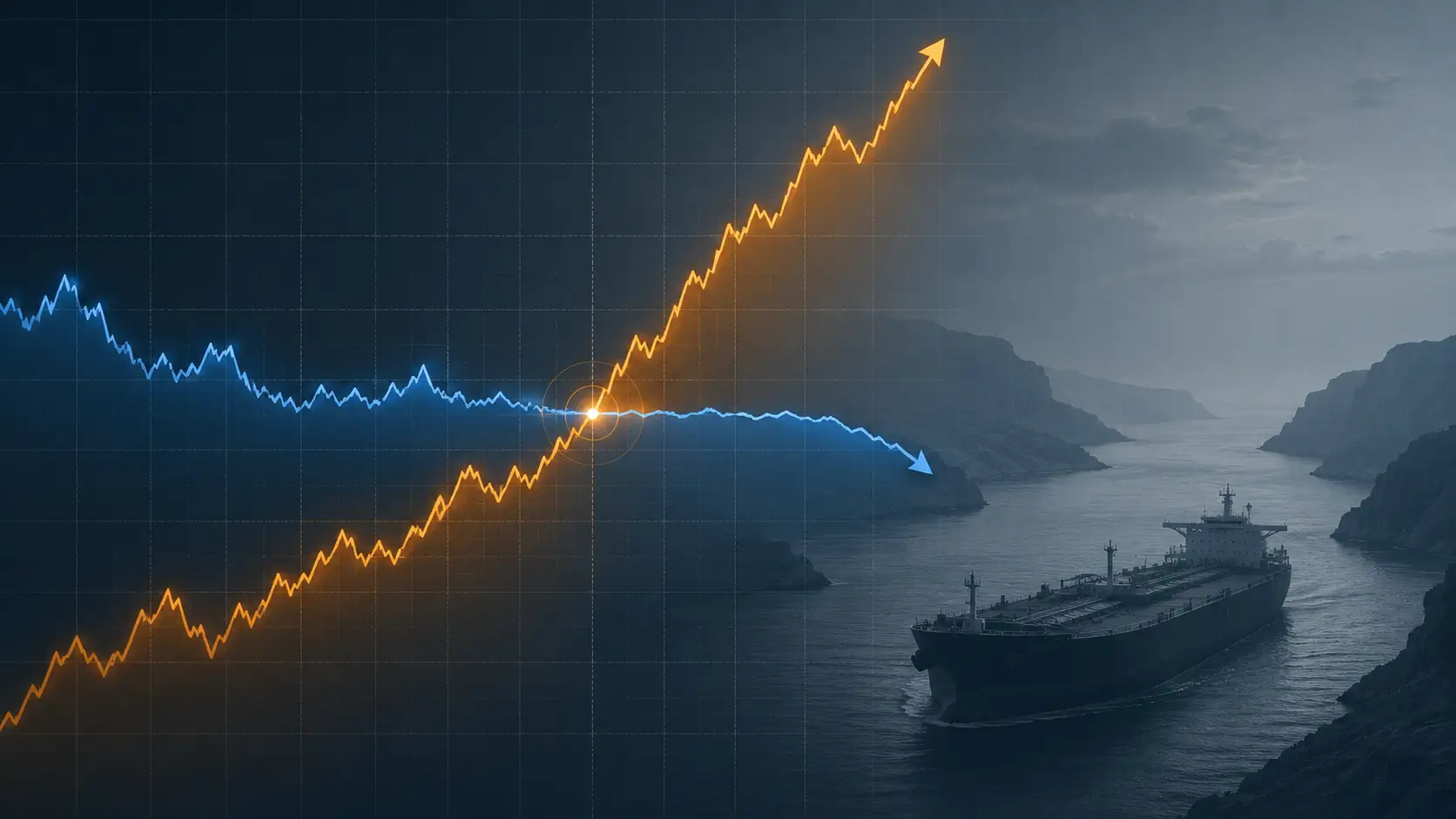
Oil prices are surging again, and the Iran-deal optimism that powered May's record stock highs is unraveling. West Texas Intermediate jumped about 7.8% to roughly $94 a barrel, while Brent rose about 6.8% to $97.30, as of midday in New York on June 1, 2026. The trigger was a single headline: Iran's semi-official Tasnim news agency said Tehran is halting message exchanges with Washington, freezing the tentative 60-day ceasefire that markets had treated as all but signed.
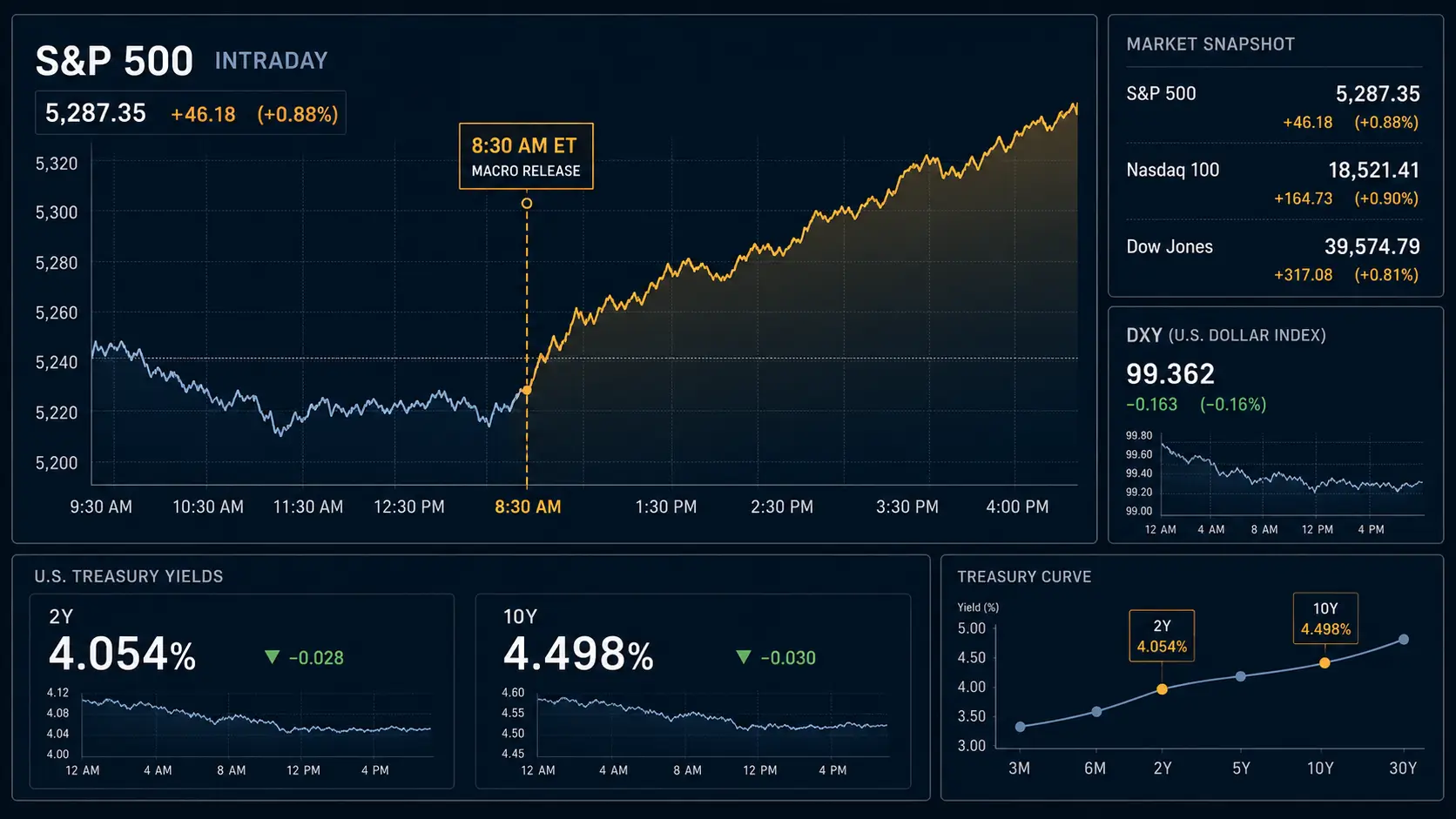
That reversed a month of relief in hours. The risk now is not only costlier gasoline — it is a fresh inflation impulse. The move pushed the 10-year Treasury yield to 4.5% and put the S&P 500's seven-session winning streak in jeopardy, just two trading days after stocks closed at all-time highs.
What Sent Oil Prices Higher
The spike caps a violent round trip. Both benchmarks had fallen more than 7% last week as traders bet that a deal to reopen the Strait of Hormuz was imminent. The two sides had "mostly agreed" on a 60-day memorandum to extend the ceasefire and begin nuclear talks.
Today, Iran tied any further negotiation to a halt in Israeli operations in Lebanon and Gaza — and pulled back from the table. With the deal in limbo, the war risk premium that had drained out of crude in May rushed straight back in, extending the months-long run-up in Middle East oil prices that began when fighting broke out on February 28, 2026.
Why Cheap Crude Was Fueling the Record
May told the opposite story. Brent fell nearly 19% over the month — its worst since the pandemic — and dropped about 20% from the 2026 peak, as a ceasefire looked within reach. Cheaper energy did double duty for equities: it eased the inflation outlook and lowered input costs across the economy.
That tailwind, paired with a relentless artificial-intelligence trade, carried the S&P 500, Dow, and Nasdaq to fresh records. The takeaway for investors is uncomfortable but simple. A large share of the May rally rested on falling oil. Remove that support, and the same index leadership looks more fragile than the record print suggests.
Why the Stalled Iran Deal Matters for Oil Prices
The Strait of Hormuz carries roughly 20% of global oil and gas flows, and it has stayed largely shut through the conflict. The supply hit is already severe: Iranian crude loadings fell below 0.3 million barrels per day in May, down from 1.5 million in April and 1.7 million in March, according to UBS estimates.
That collapse is why prices can refill the risk premium so quickly. Chokepoints like Iran's Kharg Island export terminal leave little spare margin for error. When a peace signal flips to a strike or a stalled negotiation, crude reprices in minutes — and so does the inflation math behind every rate-cut bet.
What Happens Next
Watch three things this week: whether talks resume, whether Hormuz traffic shows any real restart, and how the next inflation read absorbs higher energy costs. President Trump struck an optimistic public tone even after the weekend's exchanges, but markets are pricing the gap between rhetoric and reality.
Bob Parker, senior advisor at the International Capital Markets Association, said in late May that oil would likely hold between $90 and $100 a barrel "at least for the next couple of months" until a durable agreement emerges. If that range holds, the equity record can survive a wobble. If the deal collapses outright and Hormuz stays closed, the cheap-oil pillar under Wall Street's highs gives way — and the snap-back becomes the story, not the risk.
Is there an Iran oil deal in 2026? Not a finalized one. As of June 1, 2026, the US and Iran had reached a tentative 60-day ceasefire memorandum, but Tehran suspended talks before it was signed, leaving the agreement stalled.
Why did oil prices jump on June 1, 2026? Iran's Tasnim agency reported that Tehran halted communications with Washington, reviving war-risk fears. WTI rose about 7.8% to near $94 and Brent climbed about 6.8% to $97.30 by midday in New York.
How does the Iran conflict affect US stocks? Higher oil lifts inflation expectations and bond yields, which pressures equity valuations. The 10-year Treasury yield reached 4.5% on June 1, 2026, as stocks slipped from record highs set days earlier.
Why is the Strait of Hormuz so important? It handles roughly 20% of global oil and gas shipments. Any disruption removes a large slice of supply quickly, which is why crude reprices sharply on each escalation or de-escalation signal.
Sources and Further Reading
- US Stocks Muted, Oil Climbs as Iran Halts Messages With US — Bloomberg — 06/01/2026 — https://www.bloomberg.com/news/articles/2026-06-01/us-futures-rise-as-traders-remain-hopeful-of-us-iran-peace-deal
- Oil Drops 20% From 2026 Peak on Optimism Over US-Iran Ceasefire Talks — CNBC — 05/29/2026 — https://www.cnbc.com/2026/05/29/oil-prices-iran-ceasefire-us-trump-strait-hormuz-energy-costs.html
- Stock Market Today (June 1, 2026): Russell 2000, Dow Dip to Start Week After Record May — TheStreet — 06/01/2026 — https://www.thestreet.com/stock-market-today/stock-market-today-dow-jones-sp-500-nasdaq-updates-june-01-2026