The stock market record high in 2026 is built on a narrower base than the headline suggests. The S&P 500 closed June 1 at an all-time high of 7,599.96, with the Nasdaq Composite at 27,086.81 and the Dow at 51,078.88 — all three setting fresh records the same day. It was the index's 23rd record high of 2026. Friday's jobs report could either extend the run or expose its cracks.
The first thing to correct is the story most readers have been told. This rally is not running on rate-cut optimism. It is running on artificial intelligence, and on a Middle East truce that could break.
What's Actually Driving the Record
The engine is megacap tech. On June 1, Nvidia climbed more than 6% after unveiling a new processor for personal computers, dragging Dell and HP up with it and leading the broader market higher. Nvidia's fiscal first-quarter 2027 revenue hit $81.6 billion, up 85% from a year earlier. That earnings power, not monetary easing, is what investors are paying for.
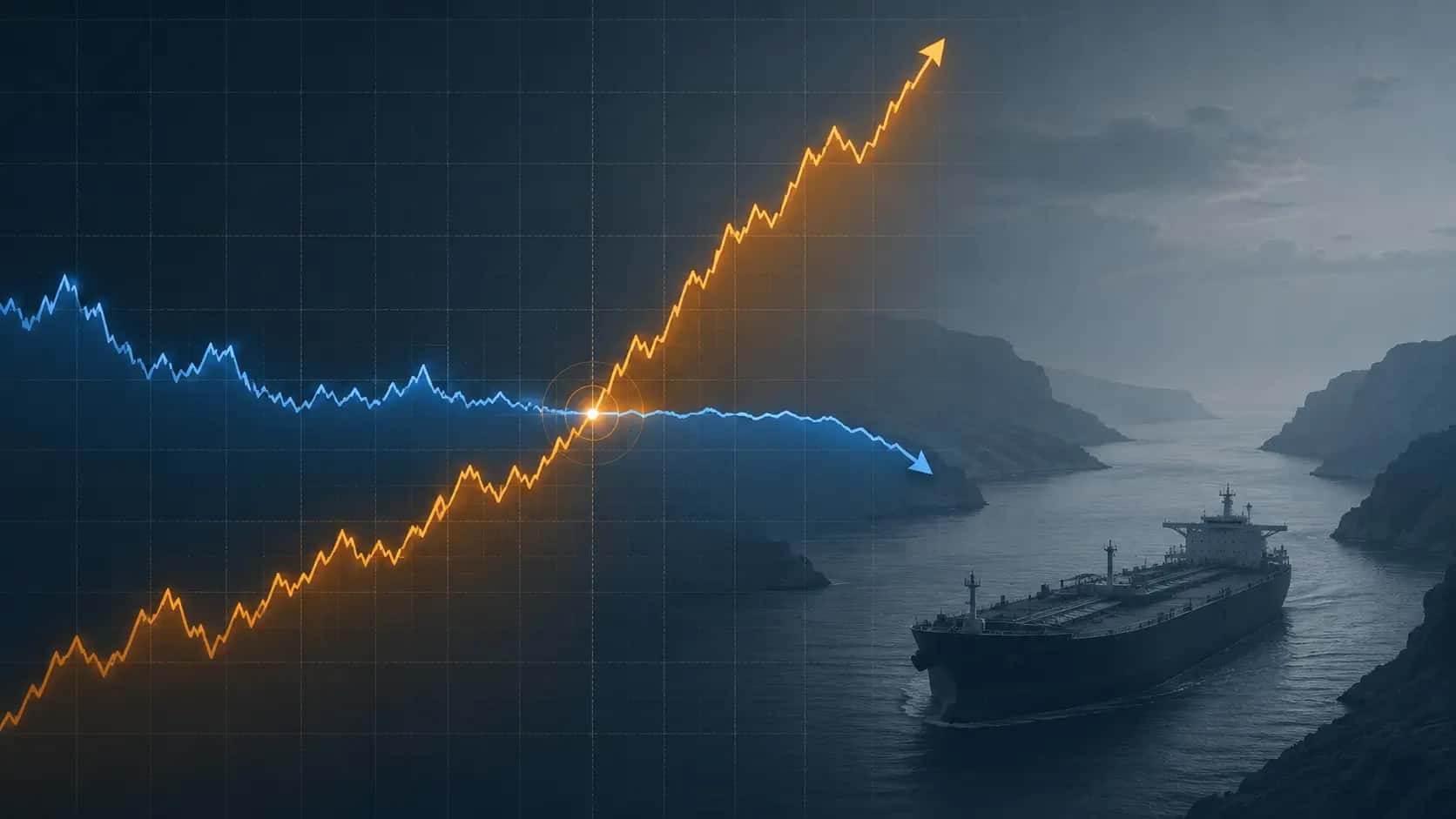
The second driver is oil relief — and it is shakier. Markets closed at fresh highs after the U.S. and Iran reached a 60-day memorandum of understanding to extend a ceasefire, though oil moved higher again on June 1, with WTI settling near $90 and Brent near $93 after a weekend exchange of fire. The truce is holding by a thread, and crude is the transmission line into U.S. inflation.
Why "Rate-Cut Hopes" Is the Wrong Frame
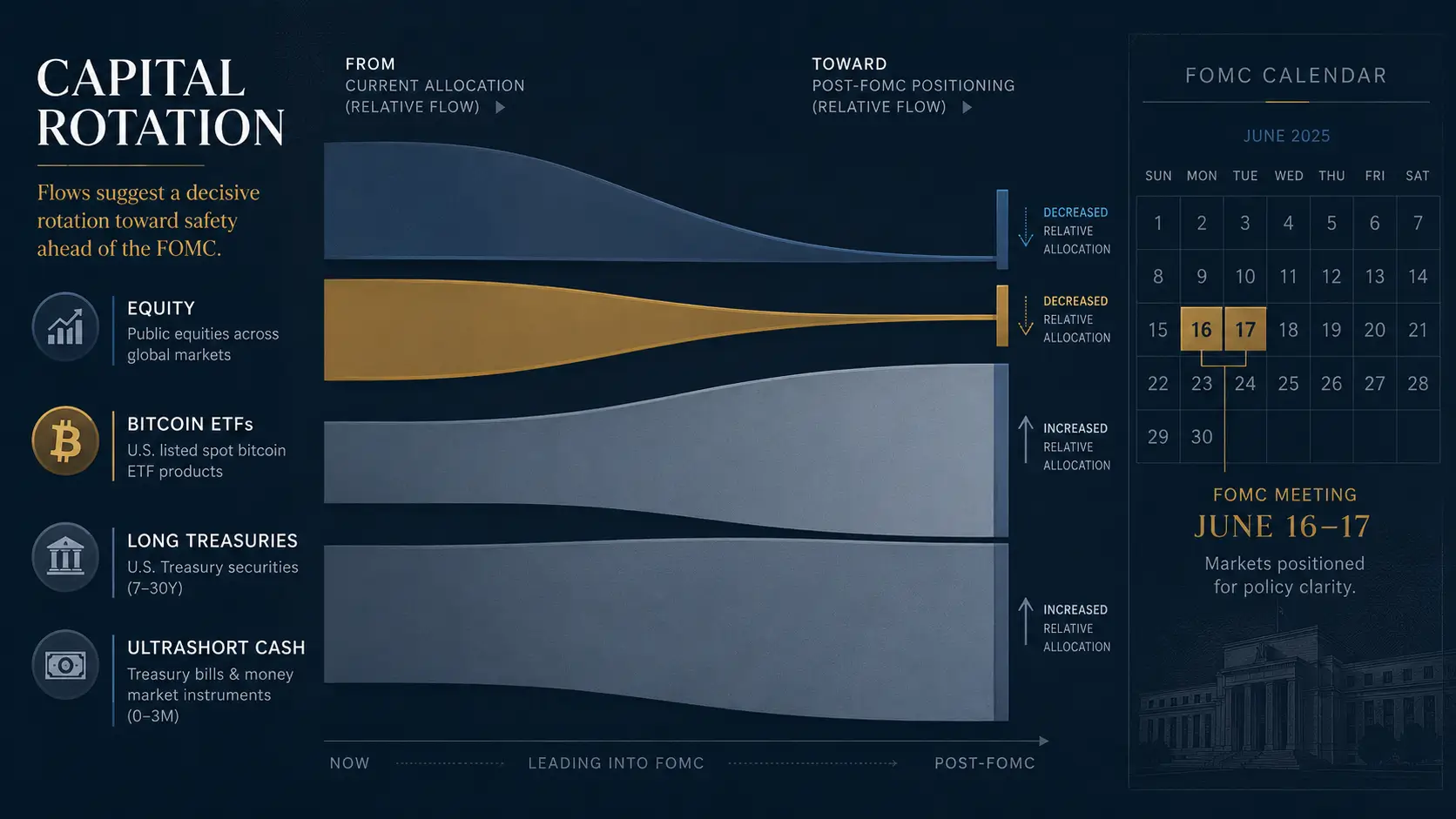
Anyone positioning for an easing-driven melt-up is fighting the tape. Markets price roughly a 98% probability that the Fed holds the federal funds rate steady at 3.50–3.75% at the June 16–17 meeting. Zero rate cuts for all of 2026 is the leading market outcome, at roughly 69% implied probability.
The risk skews the other way. Traders have priced in a near 70% chance of a quarter-point rate hike before the end of the year, with Friday's jobs report landing ahead of Kevin Warsh's debut policy meeting as Fed chairman. April CPI ran at 3.8% year-over-year — the highest since mid-2023 — propelled by a 17.9% energy price surge. A record built while the next Fed move might be a hike is a record carrying hidden fragility.
Where the Rally Is Fragile
Concentration is the clearest crack. A Bank of America strategist compared May's record performance to the March 2000 peak of the dot-com bubble: the S&P 500 hit records, but just 21 stocks in the index set new highs — versus 20 at the internet boom's top. A market this top-heavy can reverse as fast as it climbed.
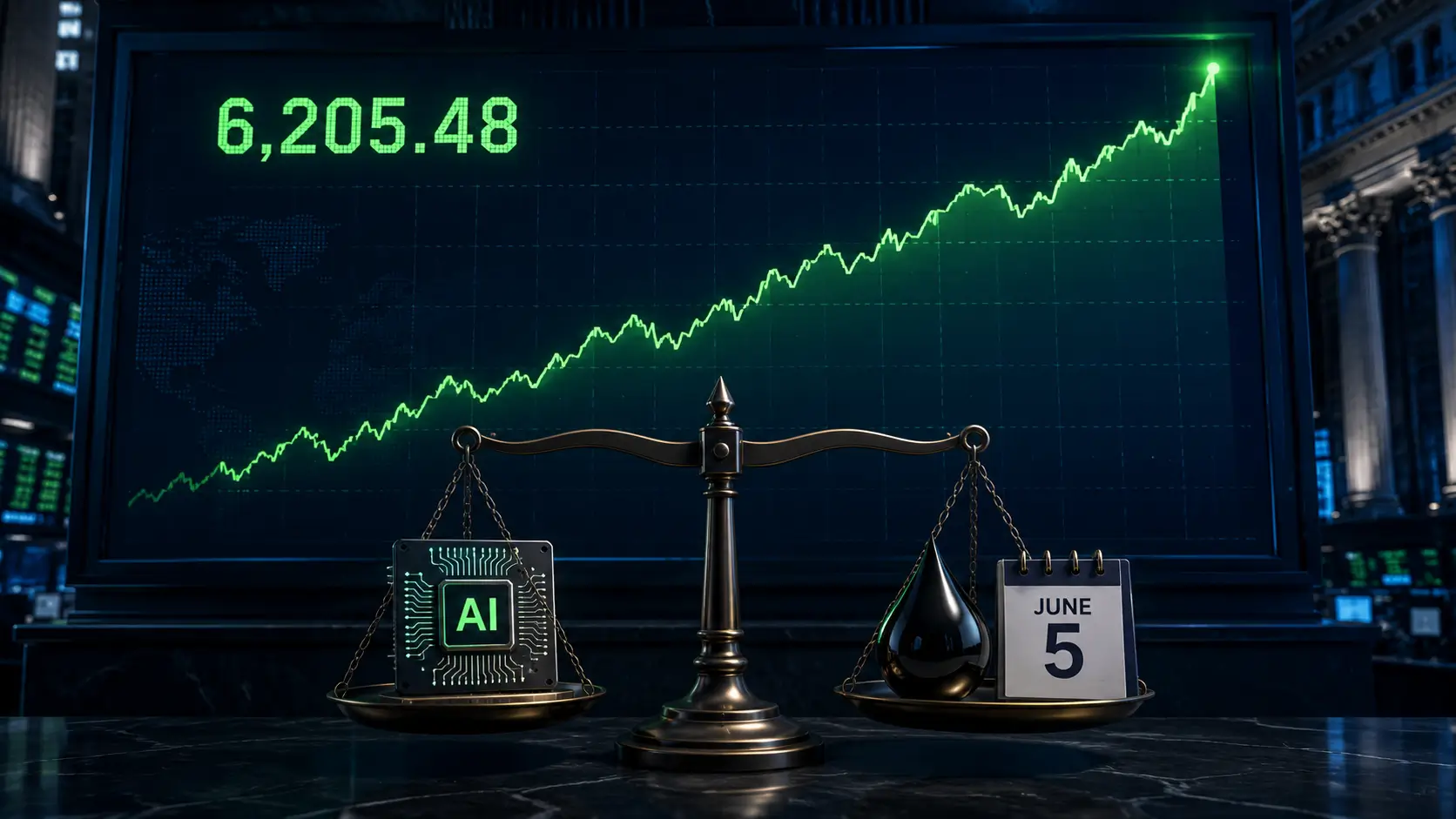
The second vulnerability is the AI-versus-oil tug-of-war. One strategist warned that markets are trading as if a full Iran breakthrough already exists, even though the hard parts of the talks remain unsettled — meaning oil could bounce, rates could rise, or Nvidia could stumble. Any one of those would pull the props out. Investors weighing downside protection may find value in reviewing warning signals that precede market stress.
How Friday's Payrolls Reshape the Map
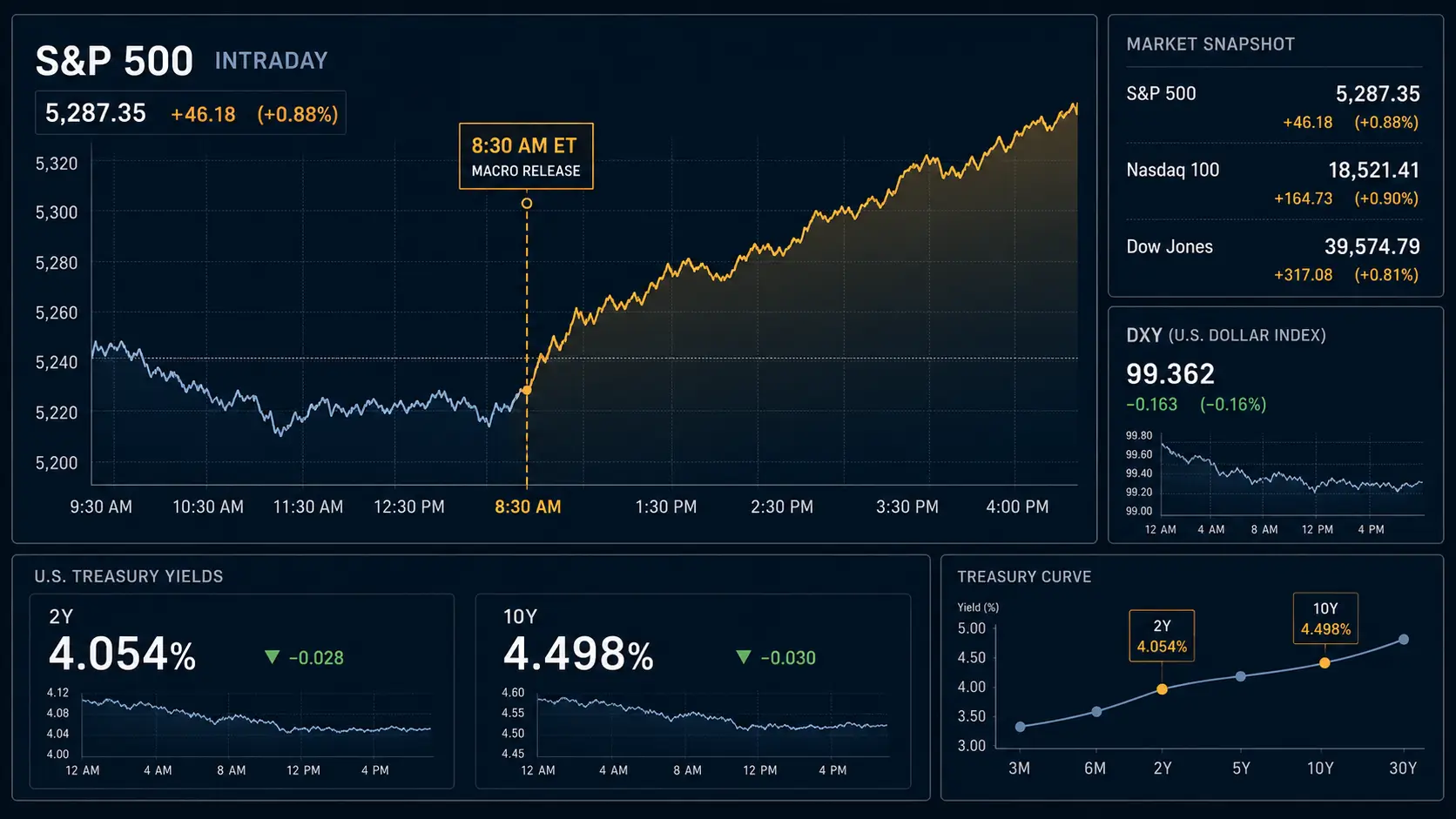
The pivot is the May jobs report. The Bureau of Labor Statistics releases it June 5 at 8:30 a.m. ET; April payrolls rose 115,000, nearly doubling the consensus of 62,000–65,000, with unemployment steady at 4.3%.
The logic is counterintuitive for equity bulls. A hot print — strong payrolls, wage growth, or unemployment holding at 4.3% — entrenches the no-cut, possible-hike stance and pressures the rate-sensitive parts of the rally. A move above 4.3% in the unemployment rate would shift the narrative significantly, while hot average hourly earnings could push rate-cut expectations further out. A soft print is the only realistic path to reopening easing hopes. Either way, the record set this week gets its first real test at 8:30 a.m. Friday — and the burden of proof now sits with the data, not the bulls.
Frequently Asked Questions
Why is the stock market at a record high in 2026? The S&P 500 closed at 7,599.96 on June 1, its 23rd record of the year, driven mainly by the AI and megacap tech rally — Nvidia in particular — plus relief from a fragile U.S.–Iran ceasefire that pushed oil off its highs. Rate-cut expectations are not a meaningful driver.
Is the Fed expected to cut rates in June 2026? No. Markets price roughly a 98% chance the Fed holds at 3.50–3.75% on June 16–17, and zero cuts for all of 2026 is the leading outcome at about 69% odds. Traders even assign near 70% odds to a quarter-point hike before year-end.
When is the May 2026 jobs report released? The Bureau of Labor Statistics releases the May Employment Situation on June 5 at 8:30 a.m. ET. Watch the unemployment rate, average hourly earnings, and labor force participation alongside the headline payroll number.
What is the biggest risk to the record-high market? Extreme concentration. Only 21 S&P 500 stocks set new highs alongside the index, a setup one strategist likened to the 2000 dot-com peak. A reversal in AI leadership or a renewed oil spike from Iran could unwind gains quickly.
Sources and Further Reading
- S&P 500 closes at a record to kick off June trading as tech rally overpowers oil spike — CNBC — 05/31/2026 — https://www.cnbc.com/2026/05/31/stock-market-today-live-updates.html
- US jobs report set to reveal solid growth and steady unemployment rate — Crypto Briefing — 05/30/2026 — https://cryptobriefing.com/us-jobs-report-may-2026-growth/
- Employment Situation Summary (May report scheduled June 5, 2026) — U.S. Bureau of Labor Statistics — 05/08/2026 — https://www.bls.gov/news.release/empsit.nr0.htm
- Fed Decision in June? Trading Odds & Predictions 2026 — Polymarket — 06/01/2026 — https://polymarket.com/event/fed-decision-in-june-825
- Stock Market Today, June 1: Markets Flat as Oil Spike Offsets New Nvidia Chip — The Motley Fool — 06/01/2026 — https://www.fool.com/coverage/stock-market-today/2026/06/01/stock-market-today-june-1-markets-flat-as-oil-spike-offsets-new-nvidia-chip/