Consumer confidence slipped in May, but the headline hides the only number that matters.
The Conference Board's consumer confidence May 2026 reading fell 0.7 points to 93.1 on Tuesday, down from an upwardly revised 93.8 in April. The Expectations Index — the survey's forward-looking component — rose 1.0 point to 74.4, still well below the 80 threshold that has historically flagged a recession ahead. The real signal sits in the income-bracket breakdown, and Walmart's Q1 FY27 print on May 21 already telegraphed why.
What Consumer Confidence May 2026 Actually Says
The Present Situation Index dropped 3.2 points to 121.2 as fewer respondents called business conditions "good" (18.5% in May vs. 22.3% in April) and fewer said jobs were "plentiful" (25.5% vs. 26.9%). The labor-market differential — the gap between "plentiful" and "hard to get" responses — slipped to +6.9%.
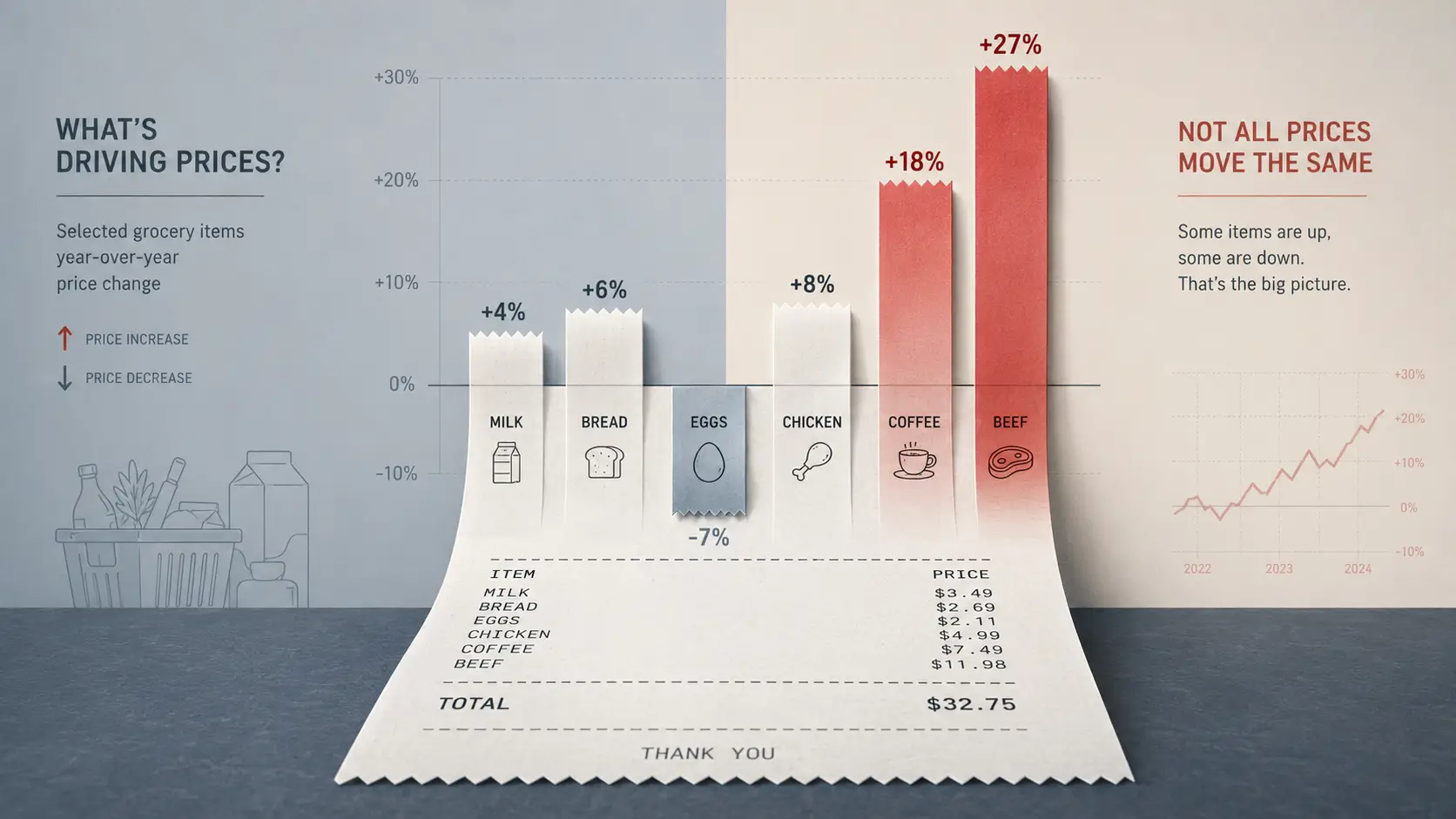
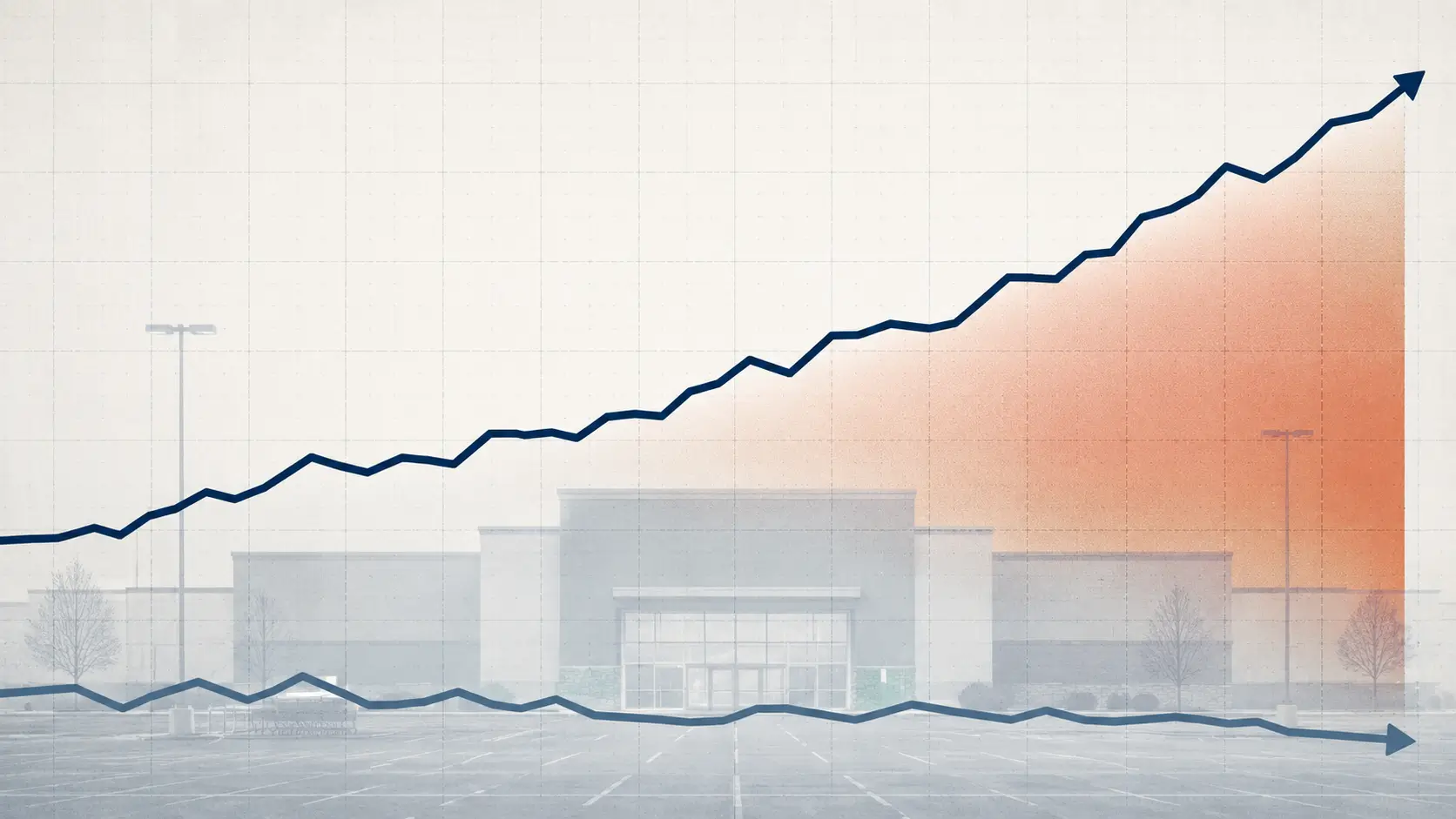
The Expectations Index ticked higher on business and labor-market optimism, but income expectations softened. The share of respondents anticipating lower incomes rose to 13.7% from 12.4%. The split that matters is by income bracket: confidence among higher-income households continued to trend upward on a six-month moving average basis, while lower-income groups stayed pinned. Two-thirds of respondents said they are cutting back on spending due to rising prices, with most buying fewer items and delaying expensive purchases.
The Conference Board attributed the softness to the war in the Middle East, which is pushing oil and other prices globally and has kept 12-month inflation expectations elevated. Consumer write-in responses skewed pessimistic for a second consecutive month, with mentions of prices, oil, and geopolitical conflict elevated. The May 1–19 survey period captured most of the price shock, and the share calling a U.S. recession over the next 12 months "very likely" or "somewhat likely" rose.
What Walmart's Transactions Said First
Walmart reported Q1 FY27 results on May 21, 2026, with the same signal in a different format. U.S. comparable sales rose 4.1%, with transactions up 3.0% but average ticket up only 1.1%. That ratio — more trips, smaller baskets — is the classic stretched-shopper signature. Management again called out broad-based share gains, with higher-income households continuing to deliver the bulk, and general merchandise contributed meaningfully to category-mix gains alongside strength in apparel.
Sam's Club, Walmart's warehouse club skewing to a higher-income shopper base, showed the same pattern even more starkly: comp sales ex fuel rose 3.9% on 6.2% transaction growth and a 2.2% decline in average ticket. Affluent shoppers are visiting more and spending less per visit too.
The market read it as a warning. Walmart closed at $121.34 on Thursday, May 21, 2026, down 7.3% on the day as a cautious Q2 outlook and $175 million in absorbed fuel costs from the Middle East conflict overshadowed the headline beat. The income-mix detail aligns with the Conference Board data point-for-point. The K-shape continues to widen, and the cost pressure that is reshaping household budgets is doing so unevenly.
Why the Bifurcation Matters for the Fed and Markets
A split consumer is harder for the Fed to read than a uniformly weak one. The Expectations Index at 74.4 is the kind of print that, in past cycles, preceded easing. But inflation expectations remain elevated from the oil shock, and nearly 50% of respondents in May said they expect interest rates to be higher 12 months out — a sign the disinflation narrative has thinned.
For markets, the implications are uneven. Names serving lower-income shoppers should expect ongoing ticket compression and continued trade-down. Names exposed to upper-income discretionary spending — premium retail, travel, hospitality — have more cushion, but that cushion depends on the equity rally holding. The same income divergence threads through other Q1 prints, including the Nvidia-Walmart consumer-split backdrop defining this earnings cycle.
What to Watch Next
The next Conference Board release lands June 30, 2026. The University of Michigan final May reading is due May 30. Walmart's Q2 FY27 print in mid-August will reveal whether the transaction-versus-ticket gap widens or compresses, which would signal either deeper trade-down or stabilization. For the Fed's June 17–18 meeting, the question is whether the soft-landing narrative survives a print like this one — strong enough to delay cuts, weak enough to expose the lower-income consumer to further squeeze. If the Expectations Index slips toward 70 while the income split widens further, the soft-landing thesis weakens and the Fed's window to cut narrows precisely when the lower-income consumer needs it most.
FAQ
What did the Consumer Confidence Index show in May 2026? The Conference Board's Consumer Confidence Index fell 0.7 points to 93.1 in May, down from an upwardly revised 93.8 in April. The Present Situation Index dropped 3.2 points to 121.2, while the Expectations Index rose 1.0 point to 74.4, still below the 80 recession-signal threshold.
Why does the income-bracket split matter more than the headline number? Confidence among higher-income households kept trending upward on a six-month moving average basis, while lower-income groups stayed pinned. Two-thirds of respondents said they are cutting back on spending due to rising prices. That is bifurcation — not a uniform consumer slowdown — and it requires a more nuanced policy and market response.
How does Walmart's Q1 FY27 print connect to consumer confidence? Walmart reported on May 21 with U.S. comp sales up 4.1%, but transactions rose 3.0% while average ticket grew only 1.1%. Sam's Club showed an even sharper divergence with average ticket down 2.2%. More trips and smaller baskets — the classic stretched-shopper signature, confirmed days later by the Conference Board breakdown.
What does the Expectations Index below 80 mean? The Conference Board treats a reading below 80 as a historical recession signal. The May 74.4 print continues an extended stretch under that threshold, though the link between sentiment surveys and actual consumer spending has weakened since the post-pandemic cycle.
Sources and Further Reading
- US Consumer Confidence Edged Downward in May — The Conference Board via PR Newswire — 05/26/2026 — https://www.prnewswire.com/news-releases/us-consumer-confidence-edged-downward-in-may-302781849.html
- Walmart Inc. Q1 FY27 Earnings Release (Form 8-K) — U.S. Securities and Exchange Commission — 05/21/2026 — https://www.sec.gov/Archives/edgar/data/0000104169/000010416926000095/earningsreleasefy27q1.htm
- Walmart signals it may raise prices in response to soaring fuel costs — NBC News — 05/21/2026 — https://www.nbcnews.com/business/consumer/walmart-quarterly-earnings-fuel-costs-rcna345914