The headlines say inflation is cooling. Your grocery bill says otherwise. That gap is the defining story of US grocery inflation in 2026 — and it explains why "disinflation" feels like a statistic that happens to other people.
In the 12 months through April 2026, food-at-home prices rose 2.9%, the fastest annual pace since August 2023, and jumped 0.7% in a single month — the biggest monthly gain since August 2022. The categories doing the damage are concentrated, the relief is narrow, and the split reveals something the Federal Reserve is watching closely: a consumer economy pulling apart by income. Here is what is still running hot, why it is happening, and what it means for your budget.
Why "Cooling Inflation" Doesn't Reach the Grocery Cart
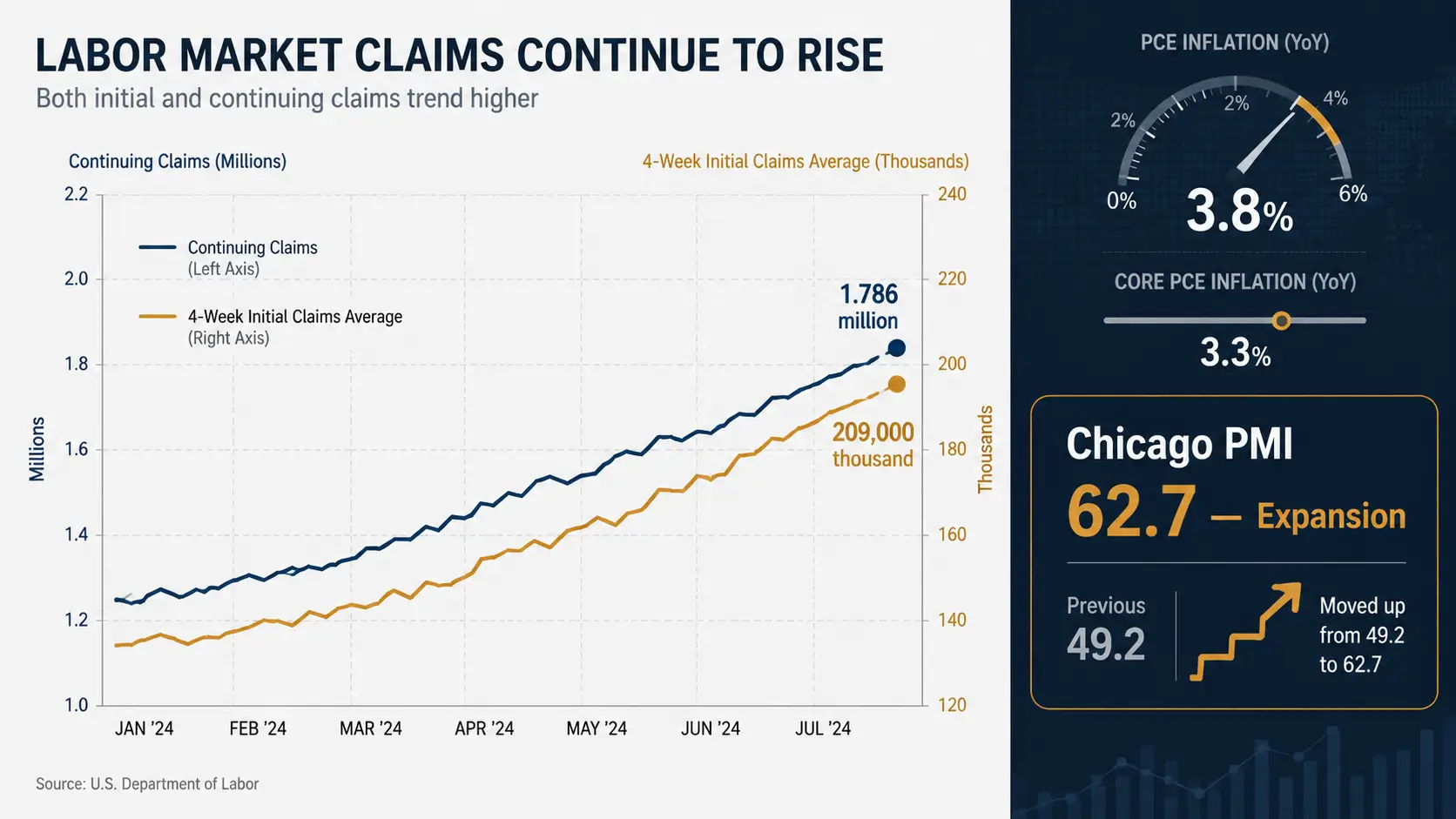
Headline CPI rose 3.8% in the year through April 2026, the highest reading since May 2023. But more than 40% of that monthly increase came from energy, as gasoline ran 28.4% higher year-over-year amid the Middle East conflict and disrupted shipping through the Strait of Hormuz. Core CPI, which strips out food and energy, sat at 2.8%.
The problem is that the "cooling" narrative tracks the rate of change in services and core goods — not the basket at the register. Grocery inflation reaccelerated from 1.9% in March to 2.9% in April. Food at home is supply-driven: it responds to herds, harvests, and freight costs, not to the demand the Fed can cool with interest rates.
For households, the squeeze is real. Real average hourly wages fell 0.3% over the year in April. Paychecks are technically rising, yet purchasing power is shrinking — which is exactly why the official cooldown does not show up in the weekly shop.
The Categories Still Running Hot in US Grocery Inflation in 2026
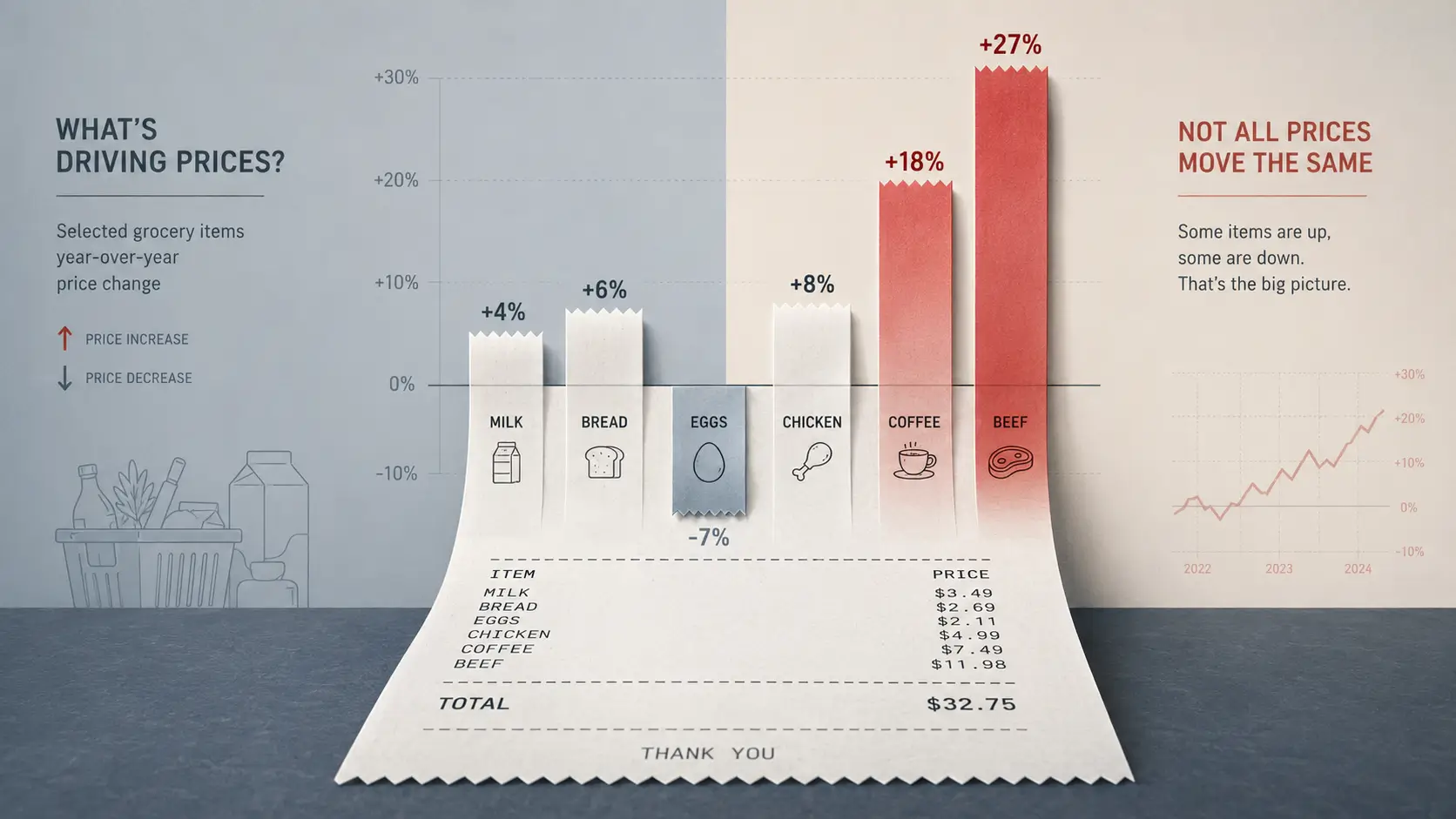
The pain is not spread evenly. USDA Economic Research Service data for April 2026 shows the sharpest monthly moves clustered in a handful of aisles: fresh vegetables and beef and veal each rose 3.1% in a single month, other meats gained 1.7%, fish and seafood 1.5%, and fresh fruit 1.2%.
Beef is the structural story. The U.S. cattle herd sits at its lowest level in decades after years of drought forced ranchers to liquidate, and beef and veal prices have run at double-digit annual rates through early 2026. Because the cattle cycle takes years to rebuild, this is not a problem that resolves in a quarter.
Coffee is the quieter one. Nonalcoholic beverages climbed 5.1% over the year through April, driven largely by global coffee prices after poor weather in Brazil and Vietnam. Sugar and sweets ran even hotter at 6.3%. None of these pressures answer to monetary policy — they answer to weather, herds, and energy.
Eggs: The One Aisle Getting Cheaper
There is one genuine bright spot. After the 2025 avian-flu spike sent egg prices to records, the USDA projects egg prices to fall sharply in 2026 as flocks recover — the rare category delivering outright deflation.
The lesson is that grocery inflation is not monolithic. Relief arrives category by category, and it comes from supply normalizing, not from policy. The flip side is the risk: a new outbreak could reverse the egg relief just as quickly as it arrived.
What Grocery Prices Reveal About the K-Shaped Consumer
Here is where food prices become a macro signal. Walmart CEO John Furner told analysts on the company's February 19, 2026 earnings call that "the majority of our share gains came from households making more than $100,000," while shoppers earning under $50,000 were stretched and, in some cases, living paycheck to paycheck.
The data backs the divide. The Bank of America Institute found high-income Americans' earnings grew about 6% over the year in April, comfortably outpacing the 3.8% rise in consumer prices. Lower-income households got no such cushion. Dollar Tree has said roughly 60% of its new shoppers now come from households earning over $100,000 — a measure of how far the trade-down reaches, a dynamic detailed in the widening income split showing up in Walmart's aisles.
This is why grocery inflation matters beyond the receipt. Food is a far larger share of a low-income budget, so the same 2.9% lands as a rounding error for some households and a monthly crisis for others.
What the Fed Is Weighing — and What It Means for Your Budget
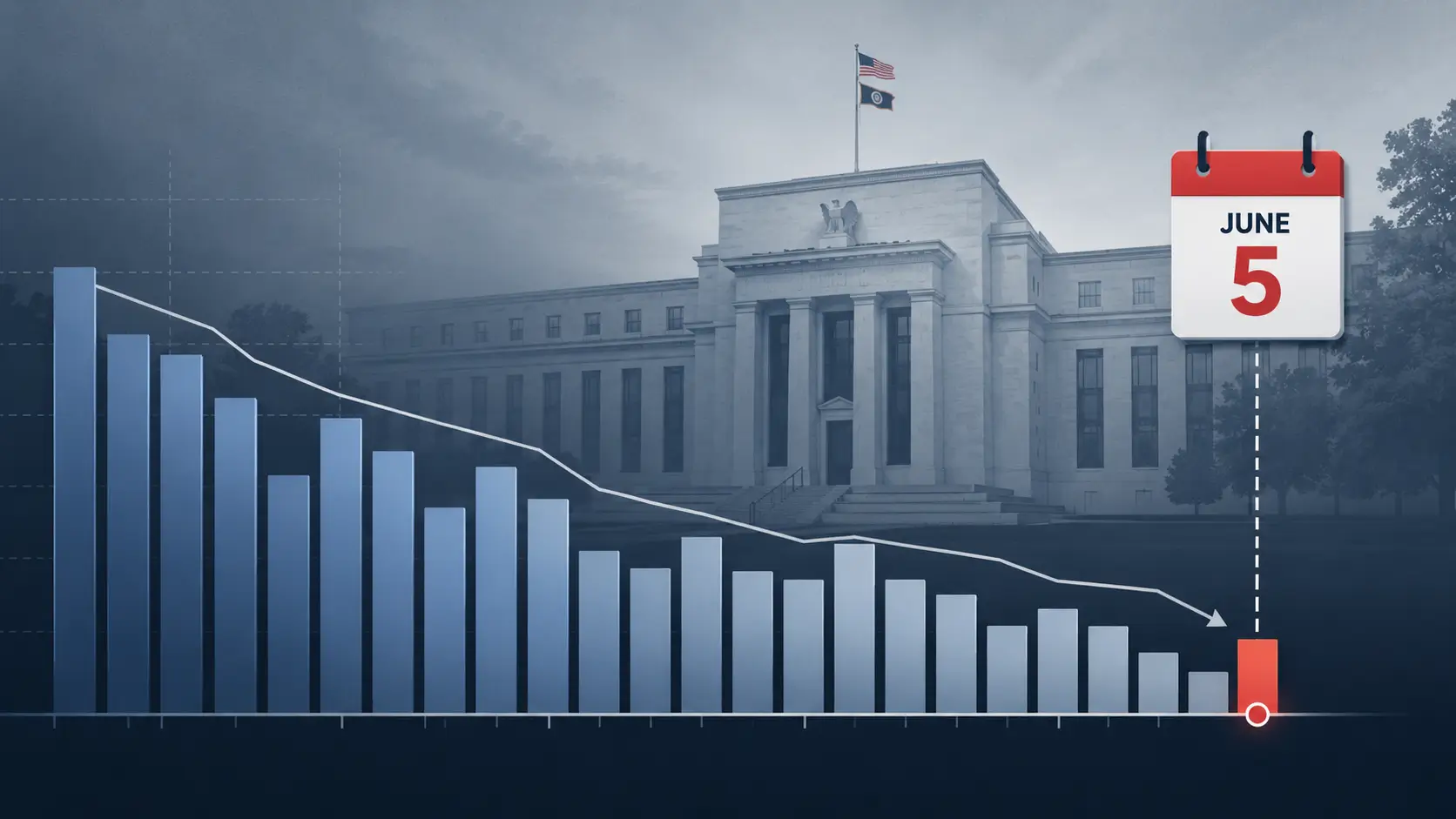
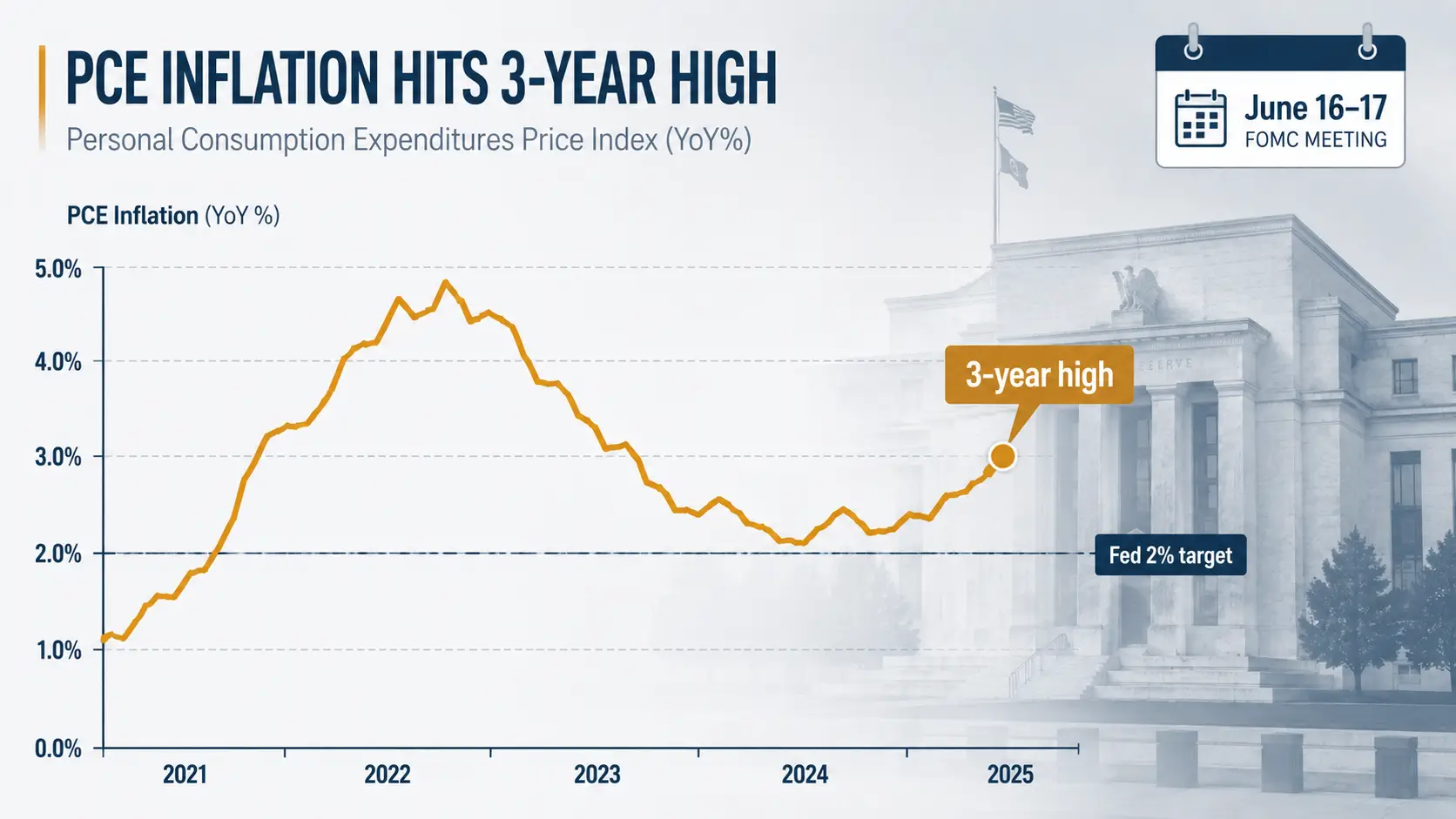
The Fed held its benchmark rate at 3.50%–3.75% on April 29, 2026, in an 8–4 vote — the most dissents since 1992 — citing inflation that has been stuck above 3% since late 2023. Markets broadly expect another hold at the June 16–17 meeting, with the May CPI report on June 10 as the key catalyst. It is the same inflation persistence that has put a renewed Fed hike back on the table.
The central bank's bind is the reader's takeaway: rate policy cannot rebuild a cattle herd or fix a coffee harvest. Cutting risks re-stoking inflation; holding keeps pressure on the lower arm of the K. Either way, grocery relief will not come from Washington.
For your budget, that means planning around the hot aisles rather than waiting for them to cool — leaning on cheaper proteins where beef bites, and treating coffee and sweets as the persistent line items they are. Watch two signals next: the May CPI print on June 10, and any sign the cattle cycle is turning. Until then, the cart stays heavier than the headlines suggest.
What is the takeaway? Cooling CPI is real but narrow; the groceries driving your bill — beef, coffee, sugar — are supply-shocked and slow to ease, and the burden falls hardest on lower-income households.
Frequently Asked Questions
Why are grocery prices still rising in 2026 if inflation cooled? Headline inflation is shaped by services and energy, but food at home is supply-driven. Grocery prices rose 2.9% in the year through April 2026 because of constrained beef supply, high global coffee prices, and elevated energy costs — pressures that monetary policy cannot quickly fix.
Which grocery categories are rising fastest in 2026? Beef and veal, fresh vegetables, sugar and sweets (up 6.3% year-over-year in April), and coffee-driven beverages (up 5.1%) are the standouts. Beef and veal also rose 3.1% in the single month of April 2026.
Are egg prices going down in 2026? Yes. After the 2025 avian-flu spike, the USDA projects egg prices to fall sharply in 2026 as flocks recover, making eggs the rare grocery category seeing outright price declines.
Will the Fed cut rates to ease grocery prices? Unlikely in the near term. The Fed held rates at 3.50%–3.75% on April 29, 2026, and markets expect another hold in June. Even if it eventually cuts, rate policy does not address the supply shocks driving food prices.
Sources and Further Reading
- Food Price Outlook — Summary Findings — USDA Economic Research Service — 05/2026 — https://www.ers.usda.gov/data-products/food-price-outlook/summary-findings
- Consumer Price Index Summary, April 2026 — U.S. Bureau of Labor Statistics — 05/12/2026 — https://www.bls.gov/news.release/cpi.nr0.htm
- K-shaped economy hits Walmart as high-income shoppers drive sales — NBC News — 02/19/2026 — https://www.nbcnews.com/business/consumer/walmart-earnings-sales-higher-income-shoppers-rcna259629
- America's shoppers are seeking revenge again — CNN Business — 05/21/2026 — https://www.cnn.com/2026/05/21/economy/consumer-spending-target-walmart
- Fed holds rates steady amid dissent — CNBC — 04/29/2026 — https://www.cnbc.com/2026/04/29/fed-interest-rate-decision-april-2026.html